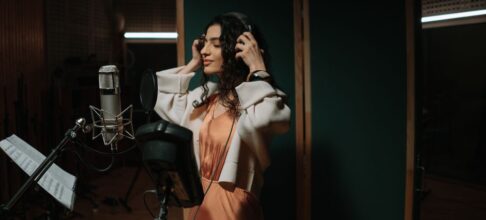
Sometimes, a Netflix user in São Paulo will switch to the Portuguese dub and feel something is slightly off. Not just the tone or phrasing—something deeper. The voiceover industry in Brazil has always been a balancing act between cultural authenticity and technical constraints. Most outsiders wouldn’t guess that the process is far from straightforward, especially when big global projects land in Brazilian studios.
The Invisible Details That Shape Every Dub
In the late 2010s, with streaming giants like Netflix and Amazon Prime Video flooding the market with international content, demand for Brazilian Portuguese voice over surged by over 30% in just three years. Yet the workflows inside Rio de Janeiro’s dubbing studios didn’t simply grow—they mutated. Instead of scaling up like American or German counterparts, many Brazilian teams had to retrofit tiny ADR booths in old buildings to handle triple the usual volume, sometimes recording up to 20 actors per day during peak release seasons.
Take Vox Mundi, an established São Paulo-based localization studio. In their weekly workflow meeting (which usually happens on a Thursday morning), project managers juggle more than a dozen concurrent series. They’re known for handling major animation titles—think “Peppa Pig” or “Miraculous Ladybug”—but have also taken on gritty K-drama thrillers since at least 2021. Their talent pool is vast, but schedules are unpredictable; it’s not rare for an actor to be called in at 9 PM for retakes due to last-minute changes from LA producers working two time zones behind.
Pronunciation Tugs-of-War: Accents vs. Audience
Brazilian Portuguese isn’t monolithic—a fact often ignored by overseas clients who expect “neutral” pronunciation. In practice, this means that directors must coach actors out of São Paulo or Rio slang while still sounding believable to millions in Bahia or Porto Alegre. The process can get contentious: one memorable case involved a telenovela adaptation where Nordestino accent hints caused heated debates among linguists and channel execs. In the end? A mid-Atlantic compromise—flat enough for national appeal but retaining some vocal color.
Voice Cast Roulette: Celebrity Dubs and Tight Budgets
Since around 2015, there’s been a growing trend toward casting local celebrities as voice actors—not unlike Disney’s approach worldwide, but adapted to Brazil’s star system. Globo Filmes’ animated features often bring in TV personalities who aren’t trained VO professionals, betting on star power over traditional technique.
An example: "Turma da Mônica – Laços" (2019) used well-known soap opera stars for main characters, which spiked initial ticket sales by roughly 15% according to box office trackers like FilmeB, but led to online fan complaints about inconsistent delivery compared with seasoned dubbers from classic anime imports like "Dragon Ball Z." Inside production houses such as Delart (in Rio), veteran voice directors quietly grumble about these casting pressures—but rarely push back if ratings are high.
Tech Shifts and AI Intrusions: Where Human Nuance Hangs On
Around 2022–2023, several mid-sized studios experimented with AI-assisted voice synthesis tools—including Respeecher and Descript—for background character lines and minor roles in games destined for mobile platforms popular across Latin America.
Yet no major client has dared automate lead roles entirely—not after early tests resulted in robotic-sounding protagonists that drew harsh criticism from Brazilian gaming YouTubers like BRKsEDU (who boasts over 10 million subscribers). Publishers such as Ubisoft Brazil have stuck firmly with human talent for flagship releases; their São Paulo crew maintains a stable of trusted actors on rolling contracts rather than risk audience backlash.
One particular workflow observed at Alamo Audiovisual saw project leads using AI-generated temp tracks to speed up timing checks before calling real actors into sessions—a hybrid approach saving roughly 10–15% studio time per episode on serialized content localized from Korea or Spain.
Children’s Content: Pacing Battles and Parental Scrutiny
Animated series present another kind of challenge entirely. In children’s programming, lip sync isn’t just technical—it’s emotional pacing too. Studios like Unidub face weekly reviews from network censors who check not only compliance with CONAR advertising codes but also whether translations reflect appropriate humor levels for young viewers.
A notable incident occurred when Nickelodeon Brasil flagged an episode of “Paw Patrol” because translated jokes were considered too regionally specific—forcing re-recordings just days before broadcast deadlines. By contrast, adult-targeted fare can afford more flexible timelines (and occasionally more daring improvisations).
Corporate Campaigns: Short Deadlines Meet High Gloss Expectations
Not all work flows through entertainment pipelines—in recent years marketing agencies based in Belo Horizonte have ramped up demands for quick-turnaround corporate campaigns aimed at new e-learning platforms or fintech products expanding into Brazil post-pandemic (2021 onward saw dozens of foreign brands localizing training modules).
For these fast-track jobs—which sometimes go from script translation to final mix within four business days—studios deploy compact teams of two engineers plus one director, often tapping freelance voices via cloud-based audition systems like Voice123 or LocStudio Pro Brasil.
The Unseen Glue: Adaptation Writers (and Their Nightly Struggles)
Many fans assume voice acting is all performance—but ask anyone at Som de Vera Cruz about adaptation writers chained to their desks past midnight during major game launches and you’ll hear otherwise. These linguists are tasked with ensuring jokes land naturally across regional divides—and keeping dialogue punchy even when original scripts run long due to English verbosity versus succinct Portuguese phrasing.
A recurring issue crops up during RPG game adaptations—the infamous text expansion problem seen when converting lines originally written for terse Japanese scripts into expressive Brazilian dialogue. Teams will often need three passes at minimum just so every menu fits standard screen layouts without garbling meaning—a painstaking task echoed by similar teams across Europe handling Polish or Italian dubs.
Emerging Trends—and Persistent Headaches—in Streaming Workflows
By late 2023, nearly half of new VOD releases targeting Brazil included full-cast dubs rather than partial narration—a marked shift compared with only about a third five years prior. Yet this hasn’t simplified matters inside production facilities; instead it means longer casting sessions and mounting pressure on unionized talent rosters already stretched thin by overlapping projects across Netflix and Globoplay originals launching simultaneously each quarter.
Small independent studios—such as AudioCorp Recife—have tried countering this crunch by building regional micro-pools of lesser-known actors willing to record remotely using home isolation booths set up during COVID lockdowns (a pattern mirrored by studios handling Catalan dubs in Barcelona). The results vary: sometimes yielding fresh voices that reinvigorate tired scripts; other times exposing raw inconsistencies requiring patchwork fixes before release windows close.
Lessons From Other Markets—and Lingering Contradictions
Europe's localization scene offers both inspiration and cautionary tales here:
in Germany’s VSI Berlin facility circa 2018–19,
directors shifted toward ensemble recording sessions whenever possible,
avoiding overly clean single-line takes common elsewhere—but this method failed spectacularly when attempted remotely during pandemic surges,
as audio bleed issues ruined entire chapters of dialogue intended for French drama imports bound for Amazon Prime Brazil feeds.
Back home,
some execs remain enamored with U.S.-style trailer formats featuring epic gravitas narrators — yet focus groups consistently show younger viewers prefer relaxed humor-laden intros reminiscent of classic TV Globo variety shows from the early 2000s era,
a tension nobody has resolved fully as tastes continue fragmenting along generational lines within metropolitan centers like Curitiba versus interior towns across Minas Gerais.
Closing Notes From Inside the Booths
There is no universal recipe—only accumulated patches stitched together each week under deadline duress,
often visible only if you know what cues betray them:
a sudden tone shift halfway through an episode,
a line landing oddly flat amid otherwise lively banter,
or credits listing three different adaptation editors per season due to round-the-clock schedule churn.
in short:
the mechanics behind every effective Brazilian Portuguese voice over are less about technology alone—and much more about hundreds of unglamorous micro-decisions made quietly behind closed doors.