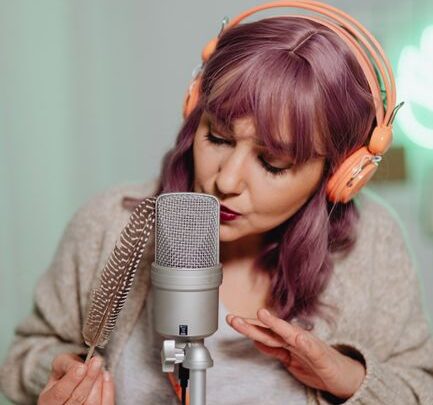
It happens quietly. A Netflix interface in São Paulo cycles to a thumbnail for a Spanish drama, but when you hit play, the voices sound unmistakably local—warm, colloquial, instantly familiar. This isn’t just technical localization; it’s an entire industry weaving cultural context and opportunity into audio tracks. And nowhere has this been more pronounced than with Brazilian Portuguese voice over.
A Decade of Change at Work
Back in 2012, major streaming platforms like Netflix and Amazon Prime Video were still experimenting with their international expansion strategies. As global demand for content soared, the need for high-quality localized audio became glaringly obvious. Studios such as Som de Vera Cruz in Rio de Janeiro found themselves suddenly fielding requests not only for dubbing blockbuster films but also for docuseries, animated shorts—even niche reality TV.
This shift wasn’t solely about audience reach; it reshaped how talent is sourced and stories are told. In practical terms: by 2019, at least half of the top-streamed series on Netflix Brazil were available with native voice over—a jump from less than 15% in early 2010s according to industry insiders I’ve spoken with at local post-production meetups.
Why It’s Not Just About Translation
People outside the industry often assume that voice over is simply swapping English words for Portuguese equivalents. The truth feels different on the studio floor. Take Wildlife Studios in São Paulo—a mobile gaming giant whose titles like Zooba are downloaded by millions globally. Their workflow doesn’t just involve translating scripts; they hold casting sessions to find actors who can tap into regional slang from Porto Alegre or Recife depending on target demographics within Brazil.
That attention pays dividends. According to their localization coordinator, after launching fully localized voice overs for their flagship games (mid-2021), engagement metrics improved by nearly 18%, measured via longer session times and higher in-app purchases among Brazilian players.
Commercial Opportunity Hiding in Plain Sight
Advertising agencies noticed this years ago. When WMcCann retooled a pan-Latin American campaign for Coca-Cola in 2016, they didn’t just record one generic Brazilian Portuguese track—the brief demanded multiple accents reflecting north-eastern and southern intonations. All this to capture micro-regions’ emotional resonance around shared experiences, like celebrating Carnival or football matches.
The result? Regional versions outperformed standard national campaigns by margins that led other FMCG brands—Unilever included—to follow suit. In some cases observed between 2018–2022, regionalized voice overs increased ad recall rates by up to 25% compared to single-accent tracks.
Tech Giants and Small Studios—An Uneasy Alliance
AI-driven tools have recently entered the fray. Companies like Respeecher have started pitching synthetic voice solutions that mimic human intonation remarkably well. Yet when Disney+ launched its localized Marvel lineup in Brazil (2021), they stuck with experienced human actors from established studios such as Vox Mundi—citing both performance nuance and union requirements.
In smaller setups across Curitiba or Belo Horizonte, indie podcasters experiment with AI-assisted workflows using Descript or Replica Studios to prototype episodes before final human recording sessions—a hybrid approach gaining traction since late 2022 among budget-conscious content creators.
A Case Study: Children’s Content Goes Hyperlocal
Consider the case of Estúdio Mellancia in Recife—a boutique production house specializing in children’s programming for YouTube Kids Brasil. In early 2023, faced with stiff competition from US- and Spain-based animation suppliers, Mellancia pivoted hard towards hyperlocal storytelling paired with authentic northeastern Brazilian Portuguese narration.
By enlisting narrators rooted in Pernambuco’s dialects and infusing scripts with references unique to regional folklore (like Lampião legends), they reported a doubling of subscriber numbers within six months post-launch—and more inquiries from toy companies seeking licensing deals tailored specifically for north-eastern audiences.
Not Every Door Opens Equally Wide
Of course there are speed bumps: union regulations can slow down fast-turnaround projects; inconsistent terminology databases mean frequent retakes; even script timing adjustments require careful negotiation between translators and directors when working on fast-paced comedy or action sequences.
For instance: during a localization sprint last year at Alamo Audiovisual (based in Porto Alegre), producers had to completely recast two main characters midway through a Turkish drama adaptation because initial reads failed test screenings with focus groups citing “unintended accent confusion.” These hiccups remain common despite advances in remote direction technologies adopted widely since pandemic-era restrictions hit.
Platforms Are Setting New Standards—Or Are They?
While Spotify now hosts hundreds of exclusive podcasts produced entirely in Brazilian Portuguese (up from under fifty such shows pre-2017), platform guidelines can create bottlenecks too. Stringent loudness standards and metadata compliance sometimes force independent studios back into expensive re-edits well after initial uploads go live—a pain point frequently raised at LATAM media summits throughout 2023.
Looking Beyond Entertainment: Training & Corporate Uses Surge Ahead
Brazilian Portuguese voice work isn’t confined to screens and speakers—it permeates e-learning modules delivered by EdTech startups like Descomplica as well as onboarding videos made by local branches of multinationals such as Nestlé Brasil. Since mid-2020 lockdowns, requests for internal training video localization have doubled across several São Paulo-based agencies interviewed late last year; companies cite employee retention improvements linked directly to natural-sounding native narration versus generic machine-generated voices used previously for cost savings.
What’s Next? More Than Just Sound Waves Moving Southward
There’s no tidy formula here—just recurring glimpses of an ecosystem where creative risk meets economic necessity:
- A telenovela adaptation gets shelved after market testing reveals subtle tone mismatches between dubbed lines and onscreen gestures;
- An indie game developer lands new distribution deals precisely because their launch trailer features regionally authentic dialogue;
- Streaming services quietly invest more budget toward immersive surround mixes featuring locally-cast talent rather than pulling stock voices off global rosters—the difference being invisible but clearly audible if you know what cues to listen for.
For those entering this sector now—from freelance narrators auditioning online via platforms like Voice123 to post-houses upgrading isolated vocal booths—the message is clear: there’s money moving through these channels alongside fresh narrative forms demanding ever-sharper craft skills.
And somewhere behind every microphoned session stands a producer watching waveform spikes on-screen while hoping that next line lands perfectly—not just syntactically accurate but emotionally true-for-Brazilian ears.