Beyond Subtitles: Why Dutch Voice Over Actually Matters
In the Netherlands, dubbing is reserved mostly for children’s content; adults prefer subtitles. But voice over isn’t only about cartoons or talking animals—think corporate e-learning modules for Heineken’s global staff, or onboarding videos for Booking.com’s ever-expanding teams across Europe. Each project creates economic activity: contracts for freelance actors, bookings at mid-sized studios in Haarlem and Rotterdam, post-production jobs scattered across Utrecht.
When Ubisoft launched its Netherlands-targeted Assassin's Creed campaign in 2022 (with localized voice tracks), it didn’t just appeal to gamers’ ears—it employed dozens of Dutch-speaking performers and sound engineers. This kind of demand generates real money flow: according to managers at translation agencies like Textwerk, localization projects involving full voice over can cost between €5,000 and €40,000 depending on complexity.
An Unexpected Export: The Case of Belgian Studios
It would be easy to think all this work stays within Dutch borders. Not so. In fact, several leading Belgian audio production houses—such as Studio Sonart in Brussels—have carved out a cross-border niche providing Dutch voice overs for both Flanders and the Netherlands. Their clients include streaming platforms like Viaplay (which entered the Benelux market aggressively in 2021) and educational tech firms rolling out pan-European content.
This “export” dynamic means that income generated by Dutch voice over doesn’t just circulate locally—it flows into neighboring economies too. The result? A low-profile but stable job source for hundreds of Flemish actors who might otherwise struggle with limited domestic demand.
Anatomy of a Local Campaign: The Supermarkt Scenario
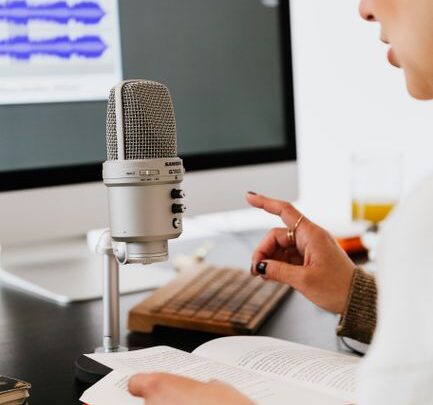
Consider a regional grocery chain headquartered outside Eindhoven planning its autumn TV blitz. Instead of hiring an international agency from London or Paris, they turn to Voicify—a digital platform aggregating native speakers from across the Netherlands. Within days, scripts are uploaded; auditions take place remotely; selected talent records from home studios equipped with Rode microphones (a trend that exploded during COVID lockdowns).
The final ad is mixed by Soundz Studio in Tilburg before being delivered directly to broadcast partners—bypassing traditional overheads entirely. By using local talent and infrastructure, costs remain lower while money circulates within provincial economies instead of leaking abroad.
Numbers That Don’t Lie (Even If They’re Hard to Find)
While no central database tracks the precise financial impact of Dutch-language voice over work nationally, industry insiders estimate annual turnover easily surpasses €60 million once advertising campaigns, e-learning products, video games, and entertainment dubbing are combined. Talent agencies such as Intervoice see spikes every quarter coinciding with major sporting events or holiday seasons—sometimes up to 25% above average monthly volumes.
The Tech Disruption Nobody Saw Coming…Until Now
For decades, Amsterdam’s boutique studios survived on relationships and reputation alone. Then came AI tools like Respeecher and Descript—not just automating editing but synthesizing eerily convincing human voices in multiple languages (including Dutch). In 2023 alone,
e-learning platforms serving multinational corporations piloted AI-generated training modules voiced by digital avatars trained on real native speakers’ timbres.
Did this kill jobs overnight? Not exactly—but it did force traditional players into adaptation mode fast. Some smaller operations shuttered altogether; others pivoted toward high-touch custom projects requiring nuanced performances beyond current AI reach (think emotional storytelling or subtle comedic timing).
A recurring pattern observed among Utrecht-based localization companies is hybridization:
they blend synthetic narration for routine material with bespoke actor sessions where authenticity matters most—preserving jobs while increasing output per euro spent.
When Culture Meets Commerce: Licensing Quirks And Legal Backdoors
Here lies another twist—the legal maze governing intellectual property rights around spoken performances varies wildly across Europe. In the Netherlands since the late 2000s,
actors’ unions successfully lobbied for residual payments when their voices were reused on streaming services beyond initial broadcast windows.
This has upped administrative complexity—and cost—for producers but sent more steady income toward working actors compared to neighboring Germany or France where flat buyouts are standard practice.
Cross-Channel Influence: Gaming Raises The Stakes
Gaming giants like Guerrilla Games (Amsterdam-based creators of Horizon Zero Dawn) have quietly shifted how they approach localization since their global breakout hits post-2017. Instead of outsourcing entire language suites overseas,
they now keep significant portions of casting and recording local—even flying in regional dialect coaches from Groningen when necessary to get subtleties right for new DLC releases.