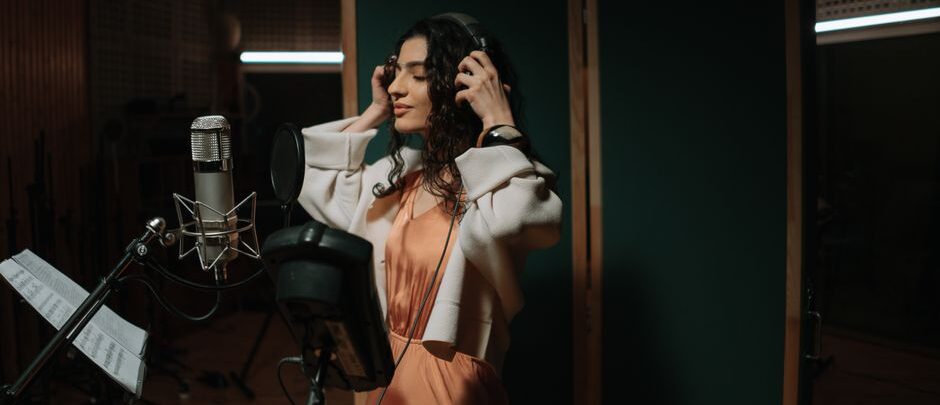
The world’s audio landscape is changing—often in the background, sometimes behind a character’s mask, rarely with fanfare. Yet, something quietly remarkable has been happening from Manila to Makati: Filipino voice over talent is not just filling international dubs and explainer reels; they’re redefining what expert analysis means in an industry where accent, adaptability, and authenticity have always been currency.
A Quiet Revolution Behind the Mic
It’s easy to miss at first. You fire up Netflix’s localization menu for “Trese” or click through language options on Riot Games’ “Valorant.” Suddenly, there’s a Tagalog track—brisk delivery, nuanced emotion. But this isn’t just about more Filipino content. It’s about a new class of experts shaping how stories are told. In real workflows inside studios like Hit Productions (based in Pasig), directors now expect voice artists to deliver not only lines but cultural context and linguistic finesse that rivals veteran actors from Los Angeles or Tokyo.
The Telltale Accent That Isn’t There
There was a time when Filipino voice overs were typecast—cheery English for call centers or the overly formal tone required by BPO training modules. As late as 2010, most international producers still heard the trademark neutral "Philippine English." Now? In actual production meetings at Singapore-based IYUNO-SDI Group (which handles dubbing for multiple Asian Netflix series), casting directors specifically request Filipino voices who can perform American, British, or regional Southeast Asian accents without slipping into stereotype or parody—a skill that comes from years of exposure to global media and education systems.
Case Study: A Workflow Inside Manila’s Creative Factories
Take Cebu-based Toon City Animation—a studio whose credits stretch from Disney Asia-Pacific projects to European educational games. Their recent workflow on an edtech app involved three languages: English (US), Bahasa Indonesia, and Tagalog. Instead of shipping each version abroad for voice work as was common pre-2018, the team built an in-house roster of Filipino actors trained by local coaches like Monette Rivera. These performers didn’t just record scripts; they offered line-by-line cultural feedback via collaborative Google Docs sessions with writers from Berlin and Jakarta.
In one session observed last year during a gamified learning module overhaul, a Filipino VO artist flagged that a direct translation for "challenge accepted" missed crucial motivational nuance when rendered in standard Tagalog. The team spent twenty minutes debating alternatives, ultimately landing on "Sige laban!"—a phrase tested by focus groups with 12–16-year-olds in Quezon City schools before getting final approval from German project leads.
Numbers Don’t Lie—But They’re Never Simple
Try quantifying this shift: By rough industry estimates gathered by local talent agencies (such as CreatiVoices Productions), demand for Filipino voice artists working on international projects grew by 20–25% between 2017 and 2023—not explosive compared to Korean or Japanese markets but significant given the historically niche status of Philippine audio post-production.
And it’s not all streaming giants either. Dubai-based localization company DUBnSUB lists Tagalog among its top five requested Asian languages since mid-2022 for web tutorials targeting Southeast Asian diaspora audiences worldwide.
Expertise Is No Longer Optional—It’s Expected
A pattern emerges across both global platforms and local studios: technical proficiency alone is no longer enough for hiring Filipino talent. At GMA Network's dubbing suites in Quezon City—which handle both telenovela adaptations and original anime dubs—the lead engineer regularly convenes feedback rounds where linguists dissect not just pronunciation but intonation trends among Gen Z listeners familiar with both K-drama and US sitcoms.
In practical terms? Newcomers are now paired with senior analysts who provide granular feedback after each recording session—a process borrowed straight from animation pipelines at Toei Philippines back in the mid-2000s but refined further thanks to online collaboration tools like Source Connect Standard.
From Home Booths to International Briefings: A Real Scenario from Sydney to San Juan City
Consider the workflow adopted by AudioBee (an Australian platform offering multilingual voice services). In actual campaigns run for fintech clients entering ASEAN markets last year, their brief required conversational English-to-Tagalog translations delivered within 48 hours. Half their roster came from Metro Manila freelancers equipped with professional home booths set up during lockdown-era remote production sprints circa 2020–2021.
AudioBee didn’t just upload scripts—their coordinators scheduled live Zoom sessions so that Sydney-based project managers could review takes alongside Manila linguists in real-time chat rooms. This hybrid model reduced retake rates by nearly 30%, according to internal client summaries shared at APAC language industry webinars last quarter.
Industry Shifts After COVID—and Why It Matters Now More Than Ever
Before 2020, big studios tended to overlook freelance talents outside their city-center circles unless pressed by deadlines or budget cuts. The pandemic changed everything: suddenly even major ad agencies like TBWASantiago Mangada Puno had entire VO campaigns recorded via remote setups across Luzon rather than flying artists into high-cost downtown studios.
One unexpected side effect? A wider pool of experts joined projects that previously seemed out of reach—from indie game trailers produced by Paris-based Motion Twin (for “Dead Cells” mobile releases) to global NGO awareness videos coordinated out of Geneva but voiced entirely by Filipinos working night shifts out of Cavite bedrooms.
Cultural Layering Isn’t Just Trendy—it Sells Globally
This isn’t mere lip service; it shows up at every level of delivery—even advertising analytics. According to data cited during Adobo Magazine’s September 2023 roundtable on regional marketing effectiveness, snack brands using distinctly local idioms (“Tara kain!” instead of literal food calls) voiced by native speakers saw engagement upticks between 18% and 22% among overseas Filipinos aged 18–35 compared with generic neutral English tracks.
Contradictions Remain—and That Keeps Things Interesting
Yet challenges persist beneath these success stories. Some US-based localization managers privately admit they struggle with consistency across accents due to ongoing dialect diversity within Metro Manila itself—a problem evident when reviewing pilot recordings for Amazon Prime Video series targeting both Visayan-speaking and Luzon-born viewers simultaneously.
And while AI-powered text-to-speech tools continue making waves (see ElevenLabs’ growing library including Southeast Asian voices since late-2022), many producers report subtle uncanny valley effects whenever machine-generated Taglish tries too hard—or not hard enough—to mimic human improvisation common among seasoned Pinoy VOs who grew up code-switching between three languages daily.
Looking Back—and Ahead—with Measured Optimism
international demand is unlikely to taper off soon. If anything, more global players are realizing what creative directors inside Indonesian agency Narrativa noted during their bilingual campaign launches last November: authentic emotional range delivered by actual humans still wins against algorithmic perfection nine times out of ten—especially when the market expects both expertise and effortless relatability rolled into one performance package.
in summary? The rise isn’t loud—but it’s lasting. From quiet home booths in San Juan City to bustling collaboration servers running Source Connect Standard halfway around the globe, Filipino voice over professionals have quietly become indispensable storytellers beyond national borders—experts not only on mic technique but also cultural fluency few others can match.