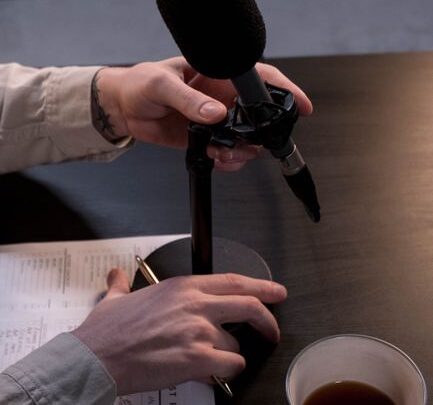
It’s a Tuesday in Frederiksberg, and the voice actor has been waiting on Zoom for nearly twenty minutes. The session was supposed to start at 14:00. On the other side, an engineer in Berlin is troubleshooting audio latency issues with a US-based director who insists on a different pronunciation of "smørrebrød". This is the real tempo of Danish Voice Over production today: not fast, rarely flawless, always stitched together by patience, humor, and relentless re-recording.
The Friction Beneath the Surface
Danish isn’t a massive language market—about 5.8 million speakers—but it sits awkwardly between cultural pride and international pragmatism. Most Danes are fluent in English; many prefer subtitles to dubbed content. Yet streaming platforms like Netflix and Viaplay have pushed for more localized audio tracks since around 2016, especially for animated series and family entertainment. Suddenly, studios in Copenhagen and Aarhus must adapt to tight schedules dictated from Amsterdam or Los Angeles.
Case: A Day at Adrenaline Studio Copenhagen
Adrenaline Studio (a real mid-sized player just off Vesterbrogade) handles everything from e-learning modules for LEGO Group to video game cutscenes for Ubisoft's Nordic releases. Their workflow hasn’t changed much in structure since the late 2000s—script prep, casting, table reads—but the pace is unrecognizable compared to a decade ago.
On a recent project adapting Ubisoft’s “Assassin’s Creed Valhalla” for Danish players, Adrenaline handled over 40 hours of dialogue across three months. About 70% of their Danish VO work now comes via cloud-based collaboration tools like Source-Connect or SessionLinkPRO. The pandemic normalized remote direction; what used to require flying in creative leads from Paris or Montreal now happens through split screens and shared Google Docs.
This means that actors might record alone in a sound booth while directors listen live from Stockholm or London. One engineer told me they can spend as much time managing file transfers as they do perfecting inflections: “You’re bouncing Pro Tools sessions between five countries on a deadline that doesn’t care about your internet speed.”
Local vs Global Tastes – And Money
A recurring frustration among Danish VO professionals is how little influence they have over creative direction when working with international brands. In one high-profile campaign for an American streaming service last year, all creative sign-offs were handled abroad—even though local producers repeatedly flagged that certain English-to-Danish translations sounded stilted or out of touch.
Meanwhile, budgets are growing but not enough to match increased expectations. According to several producers I spoke with at Soundation Studios (another Copenhagen-based agency), average project volume has doubled since 2017 but rates per finished minute have barely shifted upward—rising only around 10–12% over seven years.
AI Voices Arrive—But Not Quite There Yet
No one can ignore the rise of synthetic voices lately—especially after Respeecher’s Scandinavian expansion and ElevenLabs’ new Danish beta rollout in early 2024. Several smaller e-learning agencies outside Denmark (notably Dutch firm LocTeam) have quietly started offering AI-generated narration for internal training modules destined for Danish staff.
Yet quality remains uneven. In practical tests run by Adrenaline last autumn—using synthetic voices for medical onboarding videos—the team found native listeners could spot machine voices within seconds if sentences grew complex or emotional nuance was needed.
For commercials or children’s programming? Not even close yet. “If you put an AI voice next to Jesper Christensen or Mille Dinesen,” one senior producer quipped this spring, “the difference isn’t just technical—it’s cultural.”
Games Lead the Push For Quality—and Quantity
In gaming localization workflows observed this year at Nordisk Film Interactive (headquartered in Valby), demand keeps rising both in volume and performance standards. Recent AAA games like "Alan Wake II" launched with full Danish voice dubs—a step up from earlier generations where even major titles got subtitles only.
To hit tight global release windows, teams often run two parallel recording booths (one tracking main character lines; another handling NPC chatter). Each day produces up to 1 hour of final material—a rate almost triple what traditional TV dubbing delivered pre-2015.
However, there’s tension between quantity and artistry; actors report less time per line than before (“Sometimes we do six takes—not twelve”). Directors try balancing authenticity against budget constraints imposed from HQs far beyond Denmark’s borders.
A Side Note: The Search For New Voices
There’s also an ongoing hunt for fresh talent able to handle modern genres—from TikTok shorts to VR experiences—which wasn’t part of traditional studio routines even five years ago. Agencies like SpeakLab DK now maintain digital rosters updated weekly; some run open calls every quarter just to keep pace with new media formats surfacing from YouTube creators or podcast networks based in Odense and Aalborg.
Subtitling Still Dominates… But Not Everywhere
It bears repeating: most Danes still favor subtitles when given the choice—an attitude hardwired since DR began subtitling foreign films back in the early ’60s rather than dubbing them outright as Germany did postwar. For adult primetime content on public broadcasters like TV2 or DR1 today, full voiceover is rare except in documentaries or select imported reality shows aimed at broader demographics (think "MasterChef Australia" reruns).
The Not-So-Glamorous Workflow Details
In typical workflows seen at studios such as Mainstream Media Aarhus:
- Scripts arrive translated but rarely ready-to-read; local adapters tweak punchlines and word order late into night before first takes roll.
- Sessions often involve four-way calls spanning Denmark/Germany/UK/US due to distributed editorial chains—a pattern common since about 2020 when remote pipelines became industry standard overnight.
- File delivery must match wildly divergent specs depending on end client: Netflix requires .wav masters plus separate .xml metadata files; Microsoft Game Studios want everything pre-sliced per scene with unified naming conventions adopted EU-wide circa mid-2010s.
- Archiving alone consumes hours per week because many clients request raw stems held indefinitely—in case legal compliance reviews pop up years down the line (a policy increasingly common after GDPR enforcement ramped up post-2018).
Mini Case: Commercial Spots With Micro-Turnarounds
Last March saw Carlsberg launch its largest pan-Nordic campaign since before COVID—with distinct VO versions recorded for each Scandinavian market inside ten days flat. The chosen Copenhagen studio had two sound engineers alternating shifts around-the-clock while freelance voice talent dialed in remotely from homes scattered between Lyngby and Odense due to flu season absences onsite.
The result? Project managers clocked nearly double their normal overtime billable hours but shaved only eight percent off total turnaround versus previous campaigns done entirely onsite pre-pandemic—a sobering data point echoing across multiple agencies surveyed this year: remote speeds certain things up but complicates others unexpectedly.
Looking Forward—But Also Backward
even as software evolves (Adobe Audition plug-ins now streamline noise reduction that took manual tweaking as recently as early 2010s), many veterans lament what gets lost amid efficiency gains:
a senior mixer at Adrenaline jokes about "missing those long coffee breaks where everyone argued over vowel sounds." Remote sessions rarely allow such spontaneous moments—but deadlines don’t wait either way.