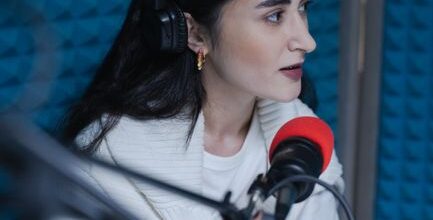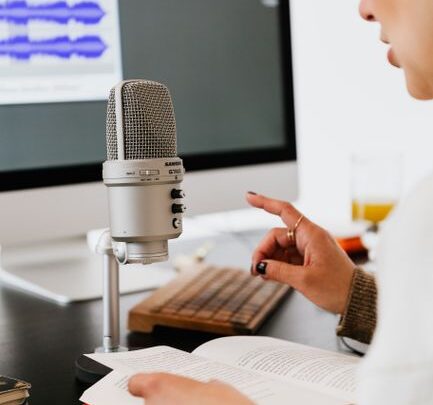
A flat, nondescript room in Prague’s Vinohrady district. Three battered chairs, a laptop, and a single Neumann U87 microphone. No neon lights or soundproofed walls, just the hum of the tram outside and a sense of focus that feels distinctly Czech. Here—far from the polished studios of London or LA—a voice director at Bohemia Audio works through another round of game localization for an indie title developed by a Swedish studio. The script is late (as usual), the client wants “authenticity” (but can’t define it), and three actors are arguing about how to pronounce "chleba" in a 23rd-century sci-fi context.
This is not an outlier; this is Tuesday.
The Relentless Push for Authenticity in Czech Voice Work
Czech voice over isn’t just about reading lines into a microphone. In most European markets, especially since the streaming boom post-2016, there’s been an obsession with local resonance—think Netflix’s approach to dubbing versus subtitling across Central Europe. A decade ago, international studios would pass their scripts to any available talent agency in Prague (or sometimes Brno) and call it done. But as platforms like HBO Max and Disney+ expanded into the region around 2020, expectations sharpened.
Clients suddenly cared if your narrator sounded like someone who grew up near Ostrava rather than in upscale Dejvice. In fact, one major Prague-based localization house reported that nearly 30% of its Czech voice casting decisions in 2022 were driven by dialect sensitivity—a sharp shift from less than 10% in early 2010s workflows.
From Dubbing Halls to Indie Studios: Shifting Workflows
At Studio Virtualis—a mid-sized player with offices in both Prague and Bratislava—the workflow has changed radically even within five years. Their head of production recalls that before 2018, most projects were straightforward TV commercials or e-learning videos for Czech banks like Komerční banka or Česká spořitelna.
Now? Roughly half their voice work is interactive: video games (often for German or Polish publishers), smart device apps needing localized prompts, or quick-turn TikTok campaigns for regional startups such as Rohlík.cz.
A typical day at Studio Virtualis starts with talent selection—usually managed via online databases like Voicers.eu—and ends with sync reviews where directors obsess over millisecond-perfect alignment between Czech speech and on-screen mouth movements. For narrative-heavy content (such as Telltale-style adventure games), they might spend an entire afternoon reworking one emotional scene so that "věř mi" lands with exactly the right shade of desperation.
Case Study: Gaming Demands Meet Language Nuance
Let’s ground this further: during the spring rush of 2023, independent studio Amanita Design needed full Czech voice tracks for their award-winning puzzle game "Phonopolis." The brief was deceptively simple—capture quirky humor without losing linguistic subtlety. They partnered with Lektorské Centrum Praha, known locally for its roster of theater-trained voices rather than standard commercial readers.
The challenge? One lead actor could nail comedic timing but struggled with non-standard vocabulary from Moravian slang embedded in the script. After multiple sessions and real-time coaching via Zoom (a pandemic-era adaptation still going strong), recording wrapped two weeks behind schedule—but fan response online pointed to unusually high engagement from regional players who picked up on these deliberate nuances.
Tech Enters Quietly — But Doesn’t Replace Talent Yet
AI-powered tools have crept into mainstream usage since late 2021—especially text-to-speech engines trained on Czech datasets by companies like SpeechTech CZ. While ad agencies sometimes use synthetic voices for rapid prototyping or internal drafts (cutting pre-production times by up to 40%), actual campaign finals almost always revert to human performers—even more so when working on youth-oriented content where “unnatural” cadence gets called out instantly on social media.
In fact, according to several insiders at global platform VMLY&R Prague, less than 15% of paid campaigns use finalized synthetic narration; AI remains mostly an efficiency tool rather than a replacement strategy.
Quality Control Isn’t Just About Pronunciation Anymore
Professionalism used to mean not tripping over tongue-twisters like “čtvrthrst třtinového cukru.” Now quality assurance includes native consultant reviews—a pattern borrowed from German dubbing houses but adapted locally after some embarrassing translation fails made headlines circa 2017.
For example: when Amazon Prime Video launched its first wave of fully dubbed titles for CEE markets in late 2019, initial reviews slammed tone-deaf translations that mixed rural idioms with urban youth slang. Since then, it’s become routine for large-scale projects (especially those targeting both Prague and regional audiences) to bring in two sets of reviewers: one linguist specializing in standard literary Czech; one cultural consultant attuned to pop trends among Gen Z viewers outside major cities.
Budgets and Timelines—The Perpetual Balancing Act
On paper, rates for professional voice actors have barely shifted since around 2015—averaging €120–€250 per finished hour depending on project type and distribution rights. But hidden costs abound: tight deadlines forced by streaming schedules often mean after-hours sessions or last-minute recasts when clients change briefs mid-cycle (an all-too-common occurrence observed at ZVUK Productions).
International brands entering the market—including IKEA’s pan-European audio campaigns produced out of Stockholm—have started demanding what they call “Czech neutral,” forcing local talent pools to adapt their delivery away from old-school announcer style toward something closer to everyday conversation. This shift has led some older talent agents to report losing up to one-third of legacy clients since mid-2021 as buyers chase younger voices perceived as more relatable.