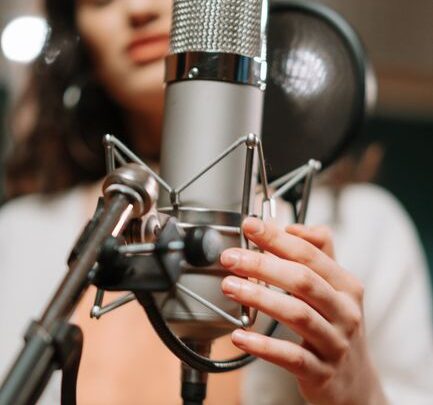
The first time I heard the word "Georgian" in a voiceover studio, it was in Munich, not Tbilisi. This was late , at one of those multinational localization agencies that secretly power half of Europe’s streaming platforms. The project manager—let’s call her Marika—looked exasperated: “We need this in Georgian by Friday. And no, machine translation won’t cut it.”
That tension has never really left the room. For all our AI tools and automated pipelines, the actual process of recording professional Georgian voice over is still more art than assembly line.
Why Not Just Use English? That’s What Netflix Did Once
There’s an old story floating around among localization teams: back in the early days of Netflix expansion (circa ), content for Georgia arrived with Russian or English dubs only. Audience engagement nosedived—the kind of numbers that make retention analysts sweat buckets. By mid-, Netflix began commissioning proper Georgian audio tracks for their top series.
It wasn’t just about understanding dialogue. It was about hearing your own cadence, your own idioms—a uniquely Georgian melody behind familiar stories.
A Studio in Tbilisi and a Polish Game Developer Walk Into a Booth…
Let’s talk workflow. Consider how CD Projekt Red approached localization for one of their RPG titles destined for Eastern European markets (think ). Their Polish headquarters had a list of regional partners: for Georgia, they tapped a boutique studio in Tbilisi—Studio Kartuli Ghamebi—for both casting and directing local talent.
The Polish team sends reference scripts via cloud-based project management (Slack plus Google Drive seems to be the norm). Then comes casting: Tbilisi actors record demo reels—often on short notice—matching tone and character archetypes from original English tracks.
A typical project involves three to five voice talents covering dozens of minor roles each (the real labor is in these quick pivots). Recordings happen over two weeks; files are uploaded daily to Warsaw for review before mastering. It’s always tight deadlines and late-night Slack messages.
What Makes Georgian So Tricky?
You wouldn’t think phonetics could derail an entire campaign until you’ve tried syncing fast-paced animation to the complex consonant clusters unique to Georgian speech. The language has ejective sounds and intonations unfamiliar even to seasoned Slavic or Romance language dubbers.
In Berlin-based dubbing houses—like VSI Berlin—they often have to bring on linguistic consultants when prepping projects for languages like Georgian or Basque. Lip sync rarely matches perfectly; scripts are subtly rewritten on-site so that mouth movements don’t betray the illusion.
AI Voice Over: Promise or Pipe Dream?
There are startups promising instant voiceover in any language using deep learning models—Respeecher out of Ukraine made waves with their synthetic voice tech last year—but ask anyone who’s actually run a project through them: it works for simple explainer videos, but narrative drama? Not yet.
A small creative agency in Tallinn tried AI-generated voices for corporate training modules targeting Georgian audiences (early ). Feedback came back mixed: clarity was acceptable, but tonal range felt flat and lifeless compared to human actors. In internal surveys, % preferred traditional recordings over AI versions when emotional nuance mattered.
Pricing Realities—and Why Budgets Always Shrink Mid-Production
Here’s where theory meets reality. Even medium-sized production houses in Paris will confess that budgets allocated for “full native voiceover” often get slashed during post-production crunches. In practice, this means:
- Multi-role casting instead of dedicated actors per character,
- Fewer takes,
- Occasional reuse of previous recordings when context allows.
For rare languages like Georgian, rates per finished minute can run –% higher than more common options (French or Spanish), especially if urgent turnaround is needed or if dialectal accuracy is critical (think Svan or Mingrelian variants).
One Campaign From Batumi: Tourism Boards Get Creative With Localization
In summer , Adjara’s tourism department launched a social media blitz aimed at drawing visitors from Poland and Turkey post-pandemic reopening. Instead of generic subtitles over stock footage—which had flopped previously—they partnered with Poti-based studio Guriashi Production House to create lively, regionally accented voiceovers explaining local customs.
Their workflow? Scriptwriting bounced between translators in Kutaisi and cultural experts locally; narration recorded onsite amid Batumi’s beachside chaos; final mixes sent via Dropbox to ad agencies abroad within four days—a logistical ballet that paid off with a reported % increase in online engagement versus subtitled campaigns the prior year.
The Unseen Layer: Quality Control Nightmares (and How Teams Cope)
Behind every polished promo lies an invisible world of retakes and patch fixes. At smaller studios across Georgia—from Rustavi to Zugdidi—the QC step can sometimes mean recording replacements at midnight because an actor slipped into Russian inflection halfway through a sentence.
International vendors have caught on: some now require live remote direction sessions via Source Connect or Zoom so supervisors from London can flag issues instantly rather than waiting days for file delivery and feedback loops.
Scaling Up Without Losing Soul
If there’s one lesson from observing real-world projects across Europe and the Caucasus alike, it’s this: as demand grows—even modestly (estimates suggest annual increases around –% since pre-pandemic times)—so does pressure on quality control infrastructure.
Small studios respond by building informal networks: sharing trusted freelance engineers between Batumi and Tbilisi, swapping tips about which DAWs handle ejective consonants best (Pro Tools remains king here), even pooling resources on vocal training workshops hosted by industry veterans like Lasha Khmaladze (whose work includes TV promos for Maestro TV).
It isn’t glamourous—but neither is re-recording hours of material after discovering your lead failed pronunciation checks halfway through episode four.
When Local Culture Is Non-Negotiable
One overlooked aspect: cultural resonance goes far beyond literal translation. In kids’ programming especially (Disney Channel content localized mid- provides a case study), script adapters must choose whether to swap out unfamiliar references entirely or preserve them with subtle explanations baked into dialogue—often requiring extra lines voiced at double speed just to fit tight scene timings without jarring cuts.
Teams at major European dubbing firms now routinely involve cultural advisors alongside linguists—a change driven less by client mandates than by feedback loops from test screenings among young viewers in Kutaisi or Telavi who spot awkwardness adults miss entirely.
Where Does This Leave Us?
What I’ve seen across five years shadowing production teams is simple:
No matter how efficient workflows become—whether through smarter cloud collaboration between Warsaw and Tbilisi studios, better AI-assisted editing tools emerging from places like Vilnius Tech Park, or tighter quality controls imposed remotely—the heartbeat remains human performance shaped by local context.