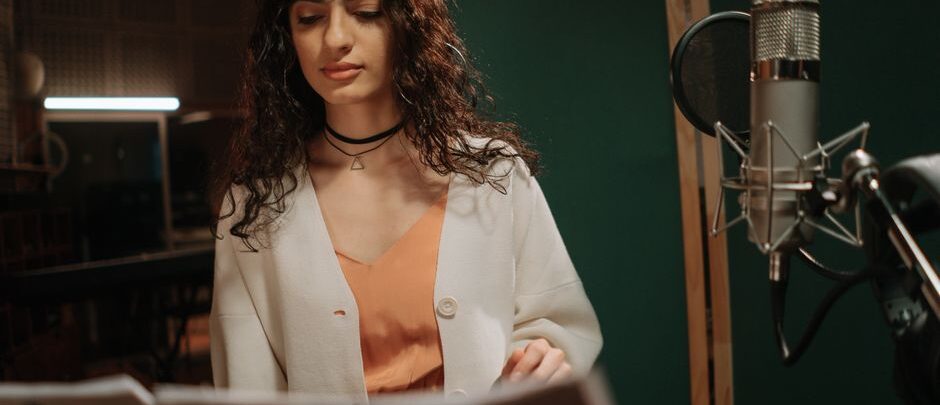
Barcelona, 2022. In a cramped sound studio in the Eixample district, three actors huddle over battered scripts. The director, Marta Ortiz—one of the few in Catalonia with more than a decade of voice directing credits—paces behind the glass, brow furrowed. They're recording a Netflix animated series destined for the Catalan audio track: a labor-intensive project, given that only five percent of Netflix's global catalogue receives full localization into regional languages like Catalan. And yet, the tension in the room isn't about translation fidelity; it's whether anyone will actually hear their work.
Is Anyone Listening?
The paradox is glaring. Since 2020, regional language visibility has surged as platforms court local subscribers and governments nudge international streamers toward diversity quotas. Catalan voice over budgets have swelled to satisfy new laws—most notably Spain’s audiovisual bill passed in 2021, which mandates streaming services offer more content in co-official languages.
Yet on-the-ground producers whisper doubts. "We did all this work on 'Stranger Things' last year," one Barcelona-based post-production coordinator told me (off-record). "Barely any viewers selected Catalan audio. Most default to Spanish or English." Data from Mediapro—a local production giant—suggests fewer than eight percent of streamers in Catalonia actively choose localized voice tracks outside major releases and children’s programming.
The Cultural Mandate Versus Audience Demand
Catalan voice over isn't just an entertainment service—it's a political and cultural statement. TV3 (the region's public broadcaster) has been dubbing foreign series into Catalan since the late 1980s, forging linguistic identity through prime-time cartoons and crime dramas alike. But even TV3's own reports indicate stagnating growth: after a spike during lockdowns (2020–21), engagement with dubbed content plateaued at around one million monthly users across digital platforms.
"There’s pride in hearing Spiderman swinging through Manhattan speaking perfect Barceloní," says Jordi Planas, who manages localization at Dubbing Brothers Spain—a company with studios from Paris to Madrid to Sant Cugat del Vallès. “But once kids outgrow animation or families switch to subtitled prestige TV, usage drops off.”
When Production Realities Clash With Idealism
In practice, producing high-quality regional dubs is costly and time-consuming compared to larger markets like Castilian Spanish or German. Studios like Deluxe Spain estimate that full-cast dubbing for a single season can cost upwards of €60–80K—a figure justified for blockbuster franchises but hard to recoup on niche titles.
A typical workflow: For Ubisoft Barcelona’s 2021 release of “Assassin’s Creed Valhalla,” only select cutscenes were voiced in Catalan despite fan petitions for full coverage. Localization leads cited resource allocation issues—Catalan actors are fewer, rates are higher due to scarcity, and QA cycles stretch by 10–15% compared to mainstream languages.
Meanwhile, smaller agencies in Girona and Lleida increasingly rely on AI-assisted tools like Respeecher or Papercup for low-priority catalog items: cost-saving measures that quietly undercut traditional talent pipelines without dramatically boosting audience uptake.
The Upside: Where It Matters Most
Still, there are cases where Catalan voice over delivers measurable impact. In children’s media—the holy grail for language retention—the audience share is tangible. When Disney+ launched its first wave of titles dubbed into Catalan (notably classics like “The Lion King”), local schools reported upticks in students referencing dialogue verbatim—a subtle but real effect on linguistic vitality.
Similarly, ad campaigns produced by Ogilvy Barcelona often feature dual-language spots—with voice over artists recording both Castilian and Catalan versions for radio and social video placements targeting specific neighborhoods from Badalona to Tarragona. According to internal metrics shared by the agency in early 2023, branded content with authentic local voices sees up to 20% higher completion rates among young urban audiences versus generic Spanish versions.
A Comparative Glance: Beyond Barcelona
Contrast this with workflows observed in Berlin or Warsaw studios tackling minority languages like Sorbian or Kashubian: most projects there never progress beyond subtitling due to even thinner demand metrics than those seen in Catalonia. In Poland's market analysis from Studio PRL (a known localization house), less than three percent of premium VoD customers select minority language tracks when offered—the numbers simply don’t justify expansive dubbing teams except during state-funded heritage initiatives every few years.
Meanwhile, Australian broadcasters face different dynamics altogether; SBS Australia continues experimenting with AI-generated ethnic dialect overlays but finds manual QC bottlenecks outweigh automation gains outside news snippets or ultra-short-form video.
Nostalgia Isn’t Enough Anymore
Many industry insiders agree: nostalgia-driven attachment sustains part of the business—but it won’t drive future investment alone. As streaming giants adapt their regional strategies post-pandemic slowdown (Netflix alone cut back on several European dub projects after its subscriber dip mid-2022), even long-standing partners like Dubbing Brothers face pressure to justify every hour spent engineering hyper-local audio tracks that may see minimal playtime.
A senior manager at Deluxe Spain put it bluntly during an industry roundtable last autumn: "We want our kids growing up bilingual—but if they’re switching devices faster than we can deliver new dubs? Maybe resources should go toward interactive learning apps instead." That sentiment echoes across boardrooms from Madrid to Melbourne—a recalibration away from tradition-for-tradition’s-sake toward data-driven pragmatism.
Case Study Close-Up: The Multitrack Gamble at Filmax Animation Studios
Filmax Animation Studios took a calculated risk last year with their mid-budget feature “La Llegenda de l’Atlàntida.” Unlike previous productions restricted by tight funding grants requiring monolingual output, Filmax secured co-financing enabling simultaneous releases in both Castilian and Catalan—with matching marketing pushes across Catalunya’s major cities as well as targeted festival screenings abroad.
Did it pay off? In box office terms—not really; ticket sales skewed heavily toward Castilian showings outside central Barcelona. But digital rental stats showed an anomaly: rural households within Girona province streamed the Catalan track four times more often than their urban counterparts, likely reflecting community pride tied directly to language preservation efforts promoted via local schools and libraries partnering with Filmax for outreach events post-launch.
It’s not quite ROI gold—but it proved there are micro-segments where true value exists if you know exactly where (and why) listeners tune in.