The last time anyone outside Sofia took notice of the Bulgarian voice over market, it was probably during the early 2000s DVD boom—back when local studios scrambled to dub telenovelas and American sitcoms for national TV. Today, that seems quaint. Underneath the surface, something more fragmented (and quietly fraught) is underway.
A Quiet Disruption at BTV Media Group
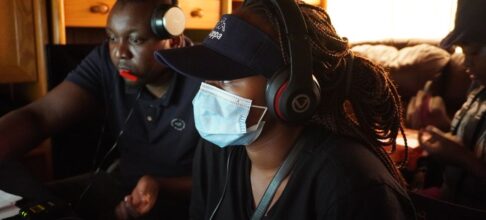
In February , a midweek morning inside BTV Media Group’s main dubbing suite feels tense. A producer scrolls through incoming scripts—most are Netflix originals, but a surprising number come from Turkish drama catalogs now vying for prime slots on Bulgarian streaming aggregators like Neterra.TV+. What’s different? Two things: First, a chunk of these projects arrive with detailed AI-generated timing suggestions baked in. Second, half the freelance voice roster is busy recording audiobooks for Storytel Bulgaria or TikTok-native micro-series.
“Three years ago we could count on our main pool being available for linear TV dubs,” an engineer named Marin tells me as he checks levels on Pro Tools. “Now half my session time goes to re-timing lines or smoothing AI pacing.” No one says it aloud, but you can feel the shift: human actors still record almost everything, but software ghosts are always lurking at the pre-production stage.
From Home Studios to Hyper-Targeted Campaigns
One pattern stands out: small home studios have gone from fringe players to central nodes in the workflow. Since late , Bulgaria-based localization agencies like Doli Media Studio and VSI Sofia report that up to % of their commercial work now routes through actors’ home setups—a pandemic-era adaptation that stuck around even as COVID faded from headlines.
For regional ad campaigns (think LIDL’s Bulgarian radio spots or quick-turnaround YouTube preroll content), agencies routinely split sessions between a central studio and up to five remote talents scattered across Plovdiv and Varna. Briefings happen over WhatsApp; audio files flow via WeTransfer; final mixes sometimes combine four different microphones in a single spot. Budgets haven’t grown much since , but deadlines have shrunk by nearly % on average.
AI Tools: Not Replacing Yet—but Reshaping Everything Before the Booth
In practice, AI isn’t replacing real voices yet—not in Sofia’s mainstream workflows. But platforms like Respeecher and ElevenLabs are sneaking into earlier stages of production. At Doli Media Studio, pre-casting often starts with synthetic samples generated by ElevenLabs’ multilingual demo tool (“just to test tone options before contacting real talent,” one project lead admits).
Meanwhile, a few digital agencies experiment with hybrid workflows: quick-turn e-learning modules or explainer videos might blend synthetic filler tracks with two or three recorded phrases from actual voice artists—especially for budget-stretched NGO campaigns targeting rural regions.
Gaming Localization: A Balkan Patchwork
When Polish game developer CD Projekt Red expanded Gwent into Southeast Europe in , they tapped Sofia-based Graffiti Studio for Bulgarian character voices. Here’s where things get choppy: native casting is thin (there are fewer than regular voice pros who work in games), so local directors sometimes double as translators and session engineers. It isn’t rare for gaming dubs to stretch across four cities using Source Connect sessions stitched together on Adobe Audition.
An engineer involved told me bluntly: “Our average turnaround per character was nine days in Warsaw; here it stretched past three weeks.” The bottleneck isn’t only technical—it’s sheer scarcity of specialized talent able to handle interactive dialogue trees without drifting into melodrama.
Legacy Meets Streaming Fragmentation
Historically, major studios like Urban Sounds Sofia built their business around broadcast contracts—think Cartoon Network Bulgaria circa or Nickelodeon’s classic live-action slate. That model has splintered under pressure from streaming disruptors like HBO Max and Amazon Prime Video entering Bulgaria after .
Instead of massive seasonal orders for dubbed kids’ content, these platforms place dozens of micro-orders monthly: one episode here, three episodes there—each with its own style guide and audio spec sheet imported from London or Munich QC hubs. Local managers whisper about “order fatigue” and mounting complexity—even as total volume inches upward year-on-year (one estimate puts overall demand up by % since pre-pandemic times).
Audiobook Boom—But Thin Margins Persist
If there’s an outright growth story here, it’s audiobooks—but not everyone is celebrating. Storytel launched its Bulgarian catalog in late with fanfare and influencer campaigns; within two years it had captured much of the urban millennial segment hungry for serialized true crime and romance titles voiced by familiar radio personalities.
Still—the economics remain tough. One producer estimates per-finished-hour rates have barely budged above €– since launch (compare that to €+ in Scandinavia). As a result? Many actors see audiobook gigs more as side income than career centerpieces—a reality echoed across much of Central Europe.
So Where Are We Heading?
Everyone agrees: expectations have changed faster than infrastructure can keep up. Most serious studios now run hybrid pipelines blending remote talent pools, selective AI tools, frantic deadline management—and constant negotiation over rights splits as global platforms demand more flexible licensing than ever before.
There aren’t easy winners yet—but there’s no going back either. As one veteran director put it between takes last month at VSI Sofia: “We’re not losing our jobs overnight…but every script I open feels less predictable than the last.”