A few years back, if you asked an LA-based post-production supervisor what languages required extra time in their workflow, odds are Armenian would come up somewhere between Catalan and Tagalog. Not because of complexity, but sheer scarcity: finding a reliable Armenian voice over artist or localization studio was, to put it mildly, an exercise in patience. Yet by , the landscape feels almost unrecognizable—not due to some overnight revolution, but thanks to a series of quiet, practical shifts that have made Armenian voice over not just accessible, but sometimes even frictionless for mid-sized productions.
The Catalyst Few Saw Coming
It wasn't Netflix or Disney+ that kicked things off. Instead, it was smaller regional streaming platforms like HayFanat (based in Yerevan) and diaspora-targeted apps such as US-based ArmTV that first created sustained demand. Around , these platforms started acquiring more diverse international content—but with one stipulation: it had to be dubbed or at least voiced natively for their audiences. This translated into small studios scrambling to assemble rosters of native talent—often pulling from local theater schools or diaspora communities in Glendale and Paris.
Case In Point: Tumo Studios’ Workflow Makeover
One revealing example comes from Tumo Studios in Yerevan—a creative tech hub better known for design than media. In , they pivoted into digital content production after landing a contract to provide educational video series for a pan-Caucasus e-learning platform. Their challenge? Localizing hours of video content into four languages including Armenian within six months.
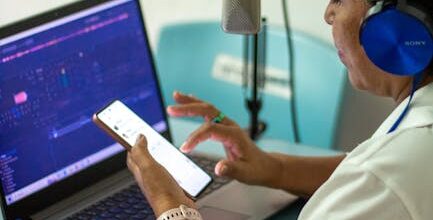
Instead of attempting the old-school route (casting calls, live sessions in cramped booths), they leaned heavily on cloud-based VO tools like Voquent and Source-Connect Now. Sessions would run simultaneously out of Tumo’s main office and remote home setups across Armenia and France. As producer Anahit Gevorgyan puts it: “We saved maybe % on logistics alone—and suddenly everyone could review takes asynchronously.”
Not Just About Speed—It’s About the Talent Pool
Europe isn’t short on niche language studios; Berlin alone houses at least five agencies specializing in regional dubs for Turkish and Balkan markets. But what’s different about the Armenian scene is how quickly experienced talent has adapted to hybrid workflows.
An example: Virtually every major project handled by Studio X (a boutique post house serving both Moscow-based games publishers and French educational NGOs) since late has involved remote casting from both Yerevan and the Armenian community clusters in Marseille. Studio X reports that by mid-, over half their Armenian-language projects used actors who’d never set foot inside a traditional recording booth—a sharp contrast with German or Polish voice work where union rules still tether many artists to physical studios.
Why AI Didn’t Eat This Market Alive (Yet)
While synthetic voice solutions have swept up quick-turnaround ad campaigns elsewhere—London-based agencies now routinely use Respeecher or ElevenLabs for low-stakes English dubs—the same hasn’t quite happened for Armenian yet. There are two reasons locals cite:
1) The limited size of training datasets means most off-the-shelf AI voices sound distinctly non-native;
2) Cultural nuance matters more than outsiders expect—the difference between Eastern and Western Armenian can mean lost contracts if mishandled.
So while some global SaaS platforms offer "Armenian" as a check-box option for TTS voice overs, real-world adoption is lagging behind glossier European markets.
Unexpected Hotspots: Parisian Side Rooms & Sydney’s Indie Studios
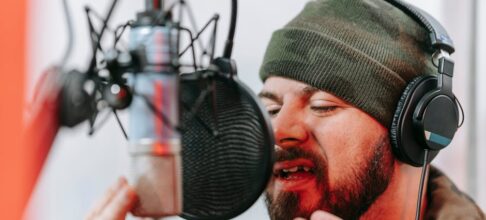
There’s an odd pattern here worth mentioning: A surprising number of competent Armenian voice actors actually reside outside Armenia itself. Parisian side rooms regularly double as makeshift VO booths during busy seasons—especially when French broadcasters localize news segments or documentaries aimed at expats.
Meanwhile in Sydney—a city hardly associated with the Caucasus—a handful of indie animation outfits (like KangaToons) have quietly added Armenian tracks after fielding direct requests from diasporan youth groups keen to see familiar content on YouTube Kids Australia.
In both cases, producers admit they’re often using WhatsApp voice memos as temp track placeholders before final takes go through pro-level mastering via cloud tools like Audacity Teams or Cleanfeed Pro.
Historic Bottlenecks—and Why They’re Fading Fast
Rewind to around : There were under a dozen commercial-grade sound engineers specializing in Armenian dubbing worldwide, most clustered around Yerevan Public TV and Soviet-era radio facilities. The bottleneck wasn’t just equipment—it was access to linguistically agile directors who could coax natural performances out of non-professionals cast mainly due to lack of alternatives.
Fast-forward nearly two decades: With broadband leaps and more Armenians scattered globally (the diaspora totals over 7 million by UN estimates), directing talent remotely is now routine rather than experimental—even if final mastering still happens locally for QC reasons.
Still Some Friction Points Remain…
Let’s not kid ourselves: Even as workflows mature, there are pain points unique to this language market. Most projects still require three rounds of client review instead of the typical two seen in larger-language dubs like Spanish or Russian—mainly due to dialect sensitivities among stakeholders split between Armenia proper and diaspora partners abroad.
Budget-wise? A standard commercial spot might cost anywhere from $–$ per finished minute depending on urgency and target region—a modest sum compared with Tokyo or Berlin rates but steep compared to Balkan mini-markets like Albanian or Macedonian dubbing ($–$/minute).
So What Actually Makes It Simple?
Simple doesn’t mean effortless—it means navigable without black-box vendors or endless cold calls across continents. If you’re a game publisher looking to add authentic flavor for Armenia’s half-million mobile gamers (Sensor Tower estimated app revenue growth at nearly % YoY since ), you’re no longer forced into costly custom setups every cycle.
The playbook goes something like this:
a) Diaspora-talent casting through trusted community networks;
b) Remote recording backed by resilient cloud tools;
c) Multiple dialect reviews pre-mix;
d) Tight turnarounds managed via asynchronous feedback loops rather than marathon sessions stuck on Central European Time zones.
It works—for now—because everyone involved knows someone else who did it last quarter…and can recommend who NOT to use next time.