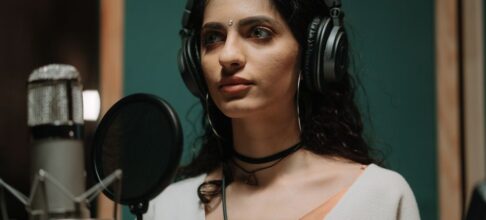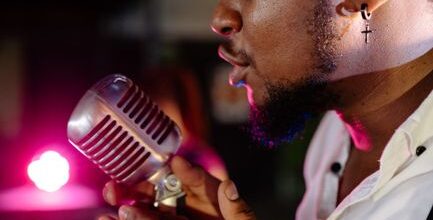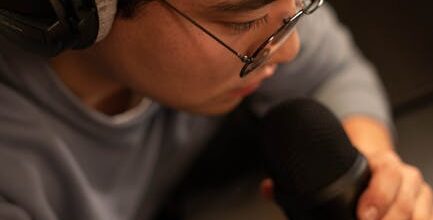
Somewhere in a post-production suite in Soho, a frustrated sound engineer is listening to yet another round of pickup lines. The voice actor—one of the most familiar British voices on streaming platforms, though you’d never know it—murmurs about the script tweaks sent at midnight. This isn’t glamour. It’s the hidden churn behind every smooth, authoritative British narration you hear on Netflix documentaries or Xbox cutscenes. And for all its prestige, British voice over is less Downton Abbey and more late-night pizza, last-minute retakes, and ever-shifting requirements from both London and Los Angeles.
When “British” Is More Than Just an Accent
There’s a strange tension at play: international clients crave that crisp “BBC English,” but local ad agencies in Manchester or Edinburgh want regional authenticity—sometimes even within the same -second campaign. In real-world projects at studios like London-based Matinee Multilingual, requests now arrive with reference reels: “We want David Attenborough gravitas, but with a Liverpool edge.”
Global streamers such as Disney+ began commissioning UK-specific voice tracks in earnest after ’s surge in European subscribers (upwards of % YoY growth in some quarters). This pressure has shifted not just how voices are cast, but what type of Britishness gets coded into scripts themselves.
A Workflow Born of Contradiction
Realistically? Most work isn’t as simple as reading aloud into a microphone. Take gaming localization for Ubisoft’s Newcastle studio—the process often involves six or more rounds of direction swaps between Paris headquarters and UK branch teams. Dialogue can be re-recorded months after the initial session when test audiences complain that a Scottish villain sounds too posh.
In one recent workflow observed at Side Global (which handled "Assassin’s Creed Valhalla"), producers used Source-Connect to patch London actors directly into LA review sessions. Directors tweaked line delivery live while referencing player feedback data collected from US beta groups—a cross-continental ping-pong that would have been unimaginable before 's surge in remote VO technology adoption.
AI Voices: Disruptor or Sidekick?
AI tools like Respeecher and ElevenLabs have certainly made waves since , especially among smaller agencies outside London keen to cut costs for explainer videos and corporate e-learning modules. An agency owner in Bristol confessed their commercial output now uses synthetic UK accents about % of the time—particularly for internal training content where character isn’t king.
Yet even major players are experimenting quietly. One case: an insurance ad campaign by Saatchi & Saatchi in early saw human talent recording key lines while AI-generated variants filled out background dialogue for multi-region testing. Still, no algorithm quite nails the difference between "chirpy Geordie encouragement" and "dry Home Counties sarcasm." Not yet.
Regionality: Demanded But Difficult To Deliver
Ask any casting director at Soho Voices (the agency behind many BBC promos) about trends, and you’ll hear this refrain: brands want hyper-local flavour until they don’t. A Manchester-based fintech client insisted on Northern tones for social ads, only to reverse course when analytics showed higher engagement with what focus groups called "friendly RP." Reality check—regional authenticity is almost always filtered through analytics dashboards before hitting airwaves.
In Australia-based production houses like Big Mouth Media, there’s growing demand for hybrid-British voices—think Welsh lilt with globally intelligible clarity—for apps targeting expat communities across Sydney and Melbourne. These nuances rarely survive automated casting platforms; they’re still brokered by human directors poring over hundreds of audition tapes each week.
Historical Roots—and Persistent Ghosts From Broadcasting Past
The legacy of classic BBC diction still haunts the industry. Back in the late ‘70s and ‘80s, Received Pronunciation was non-negotiable—the gold standard drilled into every aspiring announcer at Rediffusion or Granada Television studios (the latter now part of ITV Studios). Today’s market may idolize diversity—but give producers ten minutes under deadline stress and they’ll revert to old habits: clear vowels win out over regional quirks nine times out of ten.
What does this mean for talent? As one veteran narrator told me during a break at an audio branding session near King’s Cross: “I spent years softening my accent just to get booked—now I’m asked if I can make it stronger again.”
Numbers Behind the Microphone Boom—and Bottlenecks Ahead
Anecdotally, top-tier British narrators are fielding twice as many requests today as pre-pandemic levels—a phenomenon mirrored by UK-based rosters on sites like Voices.com reporting record signups since (+% new talent listings year-on-year). But bottlenecks abound: unionized rates versus freelance undercutting; increased remote opportunities offset by home studio quality disparities; relentless project iteration cycles squeezing margins thin even as demand spikes.
One concrete scenario comes from Berlin's Think Global Media—they regularly contract London-based voices for German automotive brands seeking pan-European campaigns with "international sophistication," but pushback arises when budgets don't match up to expectations set by large-scale US productions.
Final Word? No Such Thing Here…
The deeper truth is that British voice over doesn’t operate according to textbook rules—it lives somewhere between expectation and compromise, tradition and tech-driven change. Industry veterans joke that tomorrow’s big trend will be whatever yesterday rejected but with twice the urgency attached.
Next time you hear that smooth narration guiding you through your favourite show intro—or barking orders from your game console—it’s worth remembering: beneath those polished syllables lies a world wrestling with identity, automation angst, global demand curves…and plenty of very real late-night tea breaks.