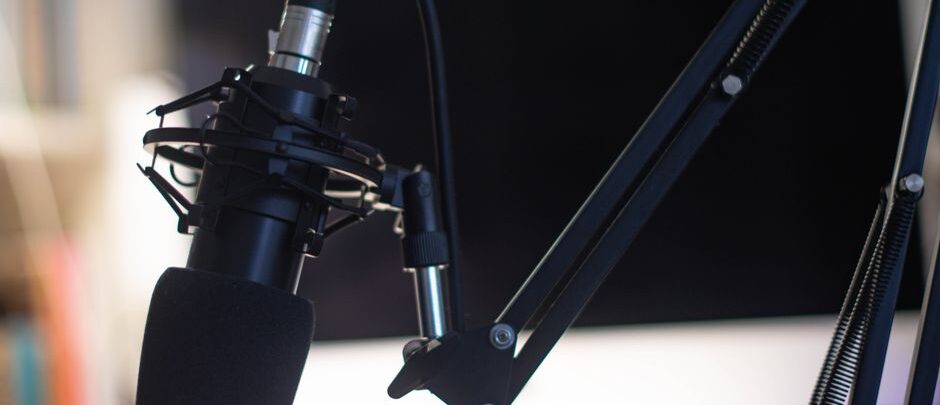
The phone rings in a New York post-production suite. The session director glances at the clock—ten minutes late, again. On the other end, an LA-based ad agency is waiting for "that voice"—the kind that’s supposed to make toothpaste sound like a revolution. “Can we get more warmth? Less news anchor?” someone asks over Zoom. You can almost feel the collective sigh. This tug-of-war has become so routine it barely registers anymore: everyone wants "authentic," but most clients really want familiar. In practice, that means American Voice Over—a brand unto itself.
A Patchwork of Voices: The 1990s and Beyond
Rewind to the mid-1990s. Cartoon Network was in its golden era, and major US studios began regular work with dedicated voice talent agencies like Atlas Talent and CESD. Back then, the voice over world felt smaller—more insular—and a handful of recognizable actors dominated everything from radio to Saturday morning cartoons.
But something changed around 2011–2014, when streaming giants like Netflix and Amazon started localizing global content for US audiences en masse. Suddenly, there was pressure for not only perfect English delivery but also nuanced emotional authenticity—a distinctly American tone that could travel across genres and platforms.
Localization Studios: Between Two Worlds
Take SDI Media (now Iyuno-SDI Group), one of the largest dubbing providers globally. In their Burbank facility, project managers describe sessions where American-accented voices are layered onto Japanese anime or Scandinavian crime dramas before release on Hulu or Crunchyroll. These aren't just quick dubs; there's week-long casting, dialect coaching, even cultural consultants flown in for high-stakes properties.
A Berlin-based localization manager told me last year that “US English” versions now require up to twice as many review passes compared to German dubs because expectations have shifted from literal translation toward character-driven performance—the audience expects not just clarity but charisma.
Gaming’s Obsession With The 'Right' Accent
Voice over is not just about TV shows anymore—it’s everywhere games go too. When CD Projekt Red launched Cyberpunk 2077, they cast dozens of American voice actors out of Los Angeles and Dallas to capture what their scriptwriters called “global urban cool.” The result? For English-speaking players worldwide, Night City sounds unmistakably American—even if you’re playing in Warsaw or Melbourne.
In actual production cycles at Australia-based game studios like Mighty Kingdom (Adelaide), directors routinely brief voice talent with references pulled straight from classic Nickelodeon or Pixar films—think Tom Kenny’s SpongeBob inflections or Rashida Jones’ dry wit—because these textures test best with global audiences craving both comfort and novelty.
AI Disruption: A Double-Edged Sword?
Enter synthetic voices. By late 2022, companies like ElevenLabs had begun offering AI-generated American voices so convincing that some indie podcast producers switched almost overnight—for minor roles or last-minute retakes—instead of scrambling for human pickups on tight budgets.
Yet despite this tech leap forward, established agencies in LA say no major commercial campaign has fully replaced its main VO talent with artificial alternatives yet—not when a single flubbed emotional beat can tank millions in ad spend overnight. Instead, hybrid workflows dominate: real actors handle leads while AI covers background chatter or temp tracks during editing sprints.
How Brands Chase Authenticity (And Miss It)
There’s a peculiar irony here: as brands push harder for “genuine” connection through audio storytelling—from Spotify campaigns to Delta Airlines’ safety videos—they often default back to the same slate of union-approved voices featured in Super Bowl ads since 2005.
One US automotive client told me flatly: “We want real stories—unless it gets too weird.” The subtext is clear: difference must still sound comfortable enough to sell Chevrolets nationwide.
Case Study: Dubbing Anime for North America
Consider Funimation (now Crunchyroll LLC) and their Houston studio pipeline for anime localization circa 2018–2023. Their workflow typically starts by analyzing Japanese scripts alongside cultural sensitivity experts from California universities—a nod to shifting audience demographics on both coasts.
Actors audition remotely from home booths built during COVID lockdowns; final records are patched together by engineers who blend multiple takes into seamless performances designed specifically for Gen Z viewers binge-watching on mobile devices across Texas and New Jersey alike. According to internal estimates shared by a Dallas-based engineer in early 2023, nearly 80% of their dubbed releases now use casting pools that prioritize “American mainstream relatability”—even when adapting shows set in medieval Europe or post-apocalyptic Japan.
The result? Viewers get characters who sound like they grew up down the street—even if those streets are animated neon Tokyo alleys drawn by someone half a world away.
Streaming Platforms Shape Demand—and Accents
Netflix’s aggressive original programming push after 2016 forced smaller studios from Toronto to Miami into rapid-fire scaling mode just to keep up with demand for high-quality US English dubs and narrations. Voicebank.net reported a threefold increase in bookings labeled "conversational American" between Q2 2020 and Q4 2021 alone—driven by true crime docs and unscripted reality formats where trust hinges on how genuine narration feels within seconds.