Are we really in a voice over renaissance—or just recycling old tricks with shinier tech? Walk into any mid-tier media agency in London or Sydney and ask them how their English-language audio pipeline has changed since 2020, and you’ll get a smirk before an answer. Everyone loves to talk about AI, but most producers quietly admit it’s still human voices that sell products, soothe anxious customers, and keep Netflix subscribers from switching to dubbed Spanish.
The Human Voice Isn’t Going Anywhere (Yet)
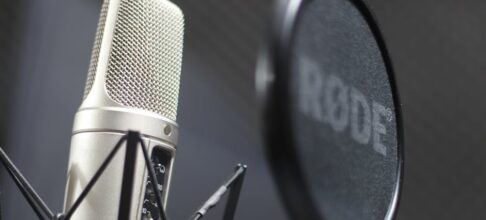
Let’s get one thing out of the way: despite all the buzzy headlines about synthetic speech, real actors are still at the heart of most commercial English voice projects. Companies like SDL (now part of RWS) built their reputations on giant localization projects for games and streaming platforms in the early 2010s, carefully managing rosters of native speakers across LA, London, Melbourne, Manila. In 2024, those same studios may have added some automated quality checks and audition filters using AI tools like Descript or Respeecher—but when it comes to brand campaigns or serious e-learning content, it’s almost always a paid actor sitting in front of a Neumann mic.
Take the case of Air New Zealand’s safety videos—a perennial viral favorite. Their production team uses a hybrid workflow: scripts are demoed via synthetic voices for timing and regulatory review (often with tools like Murf), but every final take is recorded with seasoned Kiwi or British talent booked through agencies such as Hobsons or Voices UK. Despite experimenting with “AI temp tracks” last year for quick internal reviews, they reported that customer engagement rates held steady only when genuine human warmth was present in the final cut.
Global Brands Are Getting Local—Even With English
A surprising twist over the past few years: more international brands want regional accents within their English voice overs. Coca-Cola’s pan-European ad campaigns used to default to neutral RP or General American English, but by late 2022 several creative directors started insisting on Scottish or Irish inflections for UK-targeted digital ads—insisting it tested better against social media engagement metrics. A campaign that ran across Ireland and Scotland in spring 2023 saw a 13% higher click-through rate compared to previous year’s similar content voiced by standard British actors.
In India, Mumbai-based agency AudioBee has gone so far as to offer micro-localized English narration for app tutorials: think subtle Tamil-inflected vowels for Chennai users versus north Indian lilt for Delhi NCR markets—even though both versions are technically “English.”
Workflow Disruption: Real Studio Cases From Europe
There’s nothing theoretical about what happened at Soundmill Studios in Warsaw during the lockdowns of 2020–21. Their regular pipeline—recording live sessions with visiting native-English actors—collapsed overnight. Instead of pausing work on localizing education apps bound for Australia and Canada, they shifted to remote patch sessions via Source-Connect and Cleanfeed.
By summer 2021 nearly half their projects involved piecing together performances from actors recording home setups across Dublin, Manchester, Toronto—a logistical headache but now essentially industry standard. According to studio manager Marta Zielinska, turnaround times initially ballooned by up to 30%, but once workflows matured (scripts prepped tighter; file naming protocols standardized) productivity stabilized at pre-pandemic levels by mid-2022.
AI Is Here…But It Has Rules—and an Accent Problem
Every major platform wants speed. TikTok Shop campaigns run by Singapore-based commerce teams depend on fast-turnaround audio assets—sometimes less than six hours from script sign-off to delivery. This urgency has fueled trial runs with ElevenLabs’ high-fidelity AI voices throughout Southeast Asia since mid-2023.
But here’s where reality bites: while AI can crank out crisp reads in minutes, clients repeatedly flag issues with accent authenticity and emotional nuance—especially when aiming for British Midlands charm or Australian matey-ness. One insurance startup in Melbourne tested synthetic voice overs for onboarding explainers last year but reverted back after complaints that “the narrator sounds like he learned Aussie slang from Wikipedia.”
Data Points: Who’s Using What?
At least 60% of marketing agencies surveyed by Berlin-based localization consultancy BabelMix this spring say they’ve tried synthetic narration tools—but less than one-fifth rely exclusively on them for any client-facing asset longer than two minutes.
Game studios tell a similar story: Ubisoft’s Montreal office experimented with generative voices for placeholder dialogue during Far Cry development sprints circa 2019–20; not a single line made it into release builds without being replaced by union talent from ACTRA or SAG-AFTRA rosters.
That doesn’t mean automation isn’t creeping into certain corners:
- Internal training modules under five minutes long? Increasingly automated.
- Quick product demos destined solely for YouTube pre-rolls? Maybe an AI pass if deadlines are brutal.
- Public-facing TV spots? Not likely unless you’re talking minor markets with razor-thin margins (think Baltic cable channels).
- Draft scripts were first synthesized using Play.ht so international stakeholders could iterate copy asynchronously across time zones.
- Once finalized, selected lines were flagged by legal compliance teams who requested assurance that all spoken claims would be delivered by verifiable British-native talents—a requirement driven partly by GDPR-era anti-deepfake regulations emerging across Germany and France.
- The final delivery mix included both cleanly edited human takes tracked via Pro Tools sessions shared between Hamburg and Manchester studios—and two short explainer segments left intentionally synthetic (with watermarked disclosure tags), designed only for internal onboarding videos never released outside company firewalls.
The Rise of Hyper-Niche Casting Demands
“Authenticity” is more than just a buzzword—it drives budgets now. In Parisian agencies like Dubbing Brothers (whose credits include HBO series localizations), there’s been a spike since mid-2022 in requests not just for “native speaker,” but highly specific backgrounds (“second-generation Nigerian-British male,” “Northern Irish female under 35”) as brands chase elusive audience resonance online.
One notable case came from an Estonian fintech launch video last fall: after three rounds of auditions failed to nail the right pan-European accent blend (something between Dutch directness and soft Londoner), they ended up commissioning multiple versions tailored per subregion—with each version recut using different native speakers sourced through platforms like Voices.com rather than risk sounding generic.
Historical Perspective: Not So Fast on Full Automation
The dream of fully automated voice over isn’t new; developers were chasing text-to-speech perfection even back in the early days of MacInTalk in the late ‘80s. By contrast, today’s large language models claim near-human realism—but industry uptake mirrors what happened when desktop publishing hit print shops around 1995: yes, routine tasks got faster and cheaper overnight; no, premium creative work didn’t vanish—it simply evolved into hybrid forms requiring new skills (and often more meetings).
Studios now routinely budget extra time not just for recording retakes but also digital post-processing—checking whether algorithmic "de-breathing" plugins accidentally flatten out charisma along with background noise. As recently as Q4 2023 several US audiobook publishers reported listener complaints about robotic cadence creeping into chapters recorded partially with neural TTS overlays—a reminder that shortcuts can sabotage brand trust faster than anyone admits publicly.
A Tangible Case Study: Remote Workflows Meet Brand Safety Concerns
Consider the workflow at Hamburg's SpeakEasy Studios during their Q1 2023 rebrand campaign for a midsize fintech client targeting global audiences:
No single piece relied solely on automation; project managers openly worried about customer backlash should any public-facing asset be perceived as "inauthentic" or non-compliant amid tightening EU rules on digital impersonation technology usage.
Where Next? Don’t Bet Against Hybrid Teams
in practical production environments—from Sydney ad houses working triple shifts ahead of sports seasons launches to Polish educational software firms repurposing e-learning modules—the pattern is clear: adoption happens unevenly based on content type, audience exposure risk profile, legacy infrastructure…even union contracts still matter more than many startups realize until procurement hits its first labor dispute over synthetic voice billing codes!
instead of sweeping replacement narratives (“AI will eat all VO jobs”), insiders see layered toolsets emerging—whereby voice artists record core reads while QA specialists use machine learning analysis only as part-time assistants spotting missed intonations or off-script deviations after initial tracking passes are done manually.
the ongoing tension between speed/cost-saving temptation vs authenticity/brand trust isn’t going away soon—and neither is demand for finely tuned English-speaking narrators who actually understand why saying “data” matters differently depending if your target viewer hails from Boston or Birmingham.