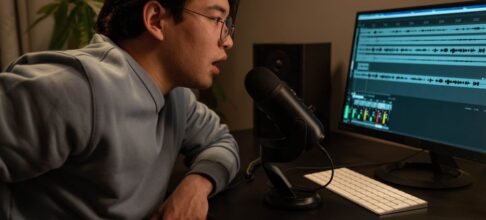
Sound engineers in Yerevan will tell you: voice over isn’t just about reading lines in a dialect. It’s a collision of identity, technology, and cultural nuance, especially when the project calls for Armenian. Yet even seasoned localization managers—some with Netflix contracts under their belt—admit that quantifying “expert analysis” in this field is elusive. Too many variables, too few standards.
Let’s get specific.
A Brief History of Dubbing Dilemmas
Back in the late 1990s, when major European studios like SDI Media were ramping up for pan-regional releases, Armenian rarely featured on their language menus. Fast-forward to 2015: global platforms (think Amazon Prime Video) start eyeing Eastern Europe and the Caucasus as emerging markets. Suddenly, demand spikes for authentic Armenian voice work—not just as an afterthought, but as a core component of launches.
This surge caught even established players off guard. The problem wasn’t lack of voices; it was absence of structured evaluation. How do you assess if a narrator from Gyumri brings more resonance than one from Yerevan? Linguistic purity? Emotional range? Accent neutrality?
A Warsaw-Based Studio’s Workflow: Clarity Meets Chaos
In actual projects at VoxBox Studios (a mid-sized Polish localization outfit), the process usually starts with source material review by two native linguists based in Armenia. But there’s a catch: half the scripts come from Los Angeles agencies unfamiliar with local idioms or intonation patterns. That means every script must be back-translated before casting even begins.
Their workflow:
- Source review → back-translation to check meaning isn’t lost → voice sample auditions recorded using Pro Tools 2022 edition → test group feedback session (often online due to time zones)
- Final selection leans heavily on expert panels—usually three professionals with prior TV/film credits in Armenia
- A/B testing with real audiences in Yerevan cinemas before release (a pattern borrowed from German dubbing houses)
- The production team flew in an advisor who’d worked on regional folk documentaries in Lori province.
- He coached actors on inflection and rural lexical quirks, resulting in retakes for nearly 40% of dialogue lines.
- Within months post-release, user retention among Armenian players increased by an estimated 18%, compared to previous titles with generic voice casting.
- Human analysts disagreed with some AI recommendations; they found that certain regionalisms flagged as "errors" were exactly what gave authenticity to key scenes set outside major cities.
- Ultimately, only about 60% of AI-suggested changes made it into final mixes—showing that algorithmic assessment can inform but rarely replace local expertise when emotional fidelity is at stake.
- Parallel QA sessions involving educators from Sydney's Armenian community schools,
- Script adaptations balancing formal grammar against colloquial speech used at home,
- Late-stage voice direction via remote video linkups between Sydney and Yerevan studios using Source Connect Pro,
It’s not uncommon for 20–30% of original auditioned actors to be replaced after these rounds—much higher churn than English or Russian projects at the same studio.
The Case of “Shadow Over Sevan”: Real-World Tensions
In 2023, an indie game publisher based in Berlin commissioned an Armenian version of their fantasy RPG "Shadow Over Sevan." They needed not just translation but immersive audio storytelling. Initial feedback: the first batch of recordings felt “too urban”—characters sounded like news anchors from Erevan Public Radio rather than villagers from rural Tavush.
What happened next illustrates why expert analysis matters:
This kind of intervention—a blend of linguistic knowledge and hands-on coaching—is rare outside high-budget gaming or film productions but increasingly recognized as essential for meaningful localization.
Expert Panels or AI? Not Always Either/Or Anymore
By late 2022, several US-based tech firms began trialing AI-powered accent detection tools for niche languages—including Armenian—as part of their QA pipelines. One such tool adopted by London agency Global Voices flagged potential inconsistencies in voicing style across episodes for a streaming docuseries subtitled in Armenian.
But here’s what actually happened on-site:
This blended approach is now common practice for most multi-market streaming content passing through British or Dutch post-production hubs targeting the Caucasus region.
Why So Many Layers?
If you’re wondering why so much effort goes into granular review—it’s because audiences notice subtle cues far more than executives expect. In Baku and Tbilisi focus groups run by Mediametrics Ltd., viewers could reliably identify whether dialog was dubbed by native Armenians versus diaspora speakers raised abroad—even if both sets adhered to grammatical norms.
These perceptual distinctions matter commercially: missteps have led to social media backlash and lower engagement rates on VOD platforms rolling out new series or films regionally since around 2018.
When Tight Deadlines Meet Cultural Precision: An Australian Broadcast Example
Take SBS Australia’s rollout of children’s programming blocks translated into multiple minority languages—including Western Armenian—in early 2021. Producers faced four-week turnaround times per episode while ensuring scripts remained culturally accurate yet accessible for kids born outside Armenia itself.
Workflow notes included:
and last-minute rewrites prompted by parent advisory board feedback—a testament to how rapid cycles don’t always mean compromise…if expert oversight remains integral throughout each step.
SBS data reportedly showed modest boosts (+7%) to weekend viewing figures among targeted households within six months post-launch versus prior multilingual lineups without dedicated community input.
The Value—and Limits—of Measurable Metrics
Most studios want hard numbers: pace per hour, error rate percentages, audience engagement upticks post-dub. But Armenian projects defy easy quantification; subjectivity persists even among pros who’ve spent decades at mixing consoles or translation desks. Veteran sound director Arman Mkrtchyan (who supervised landmark dubs for Haykakan TV through the early 2010s) notes that repeat hires often hinge less on waveform precision than on trust built during tense live sessions where stakes are sky-high—like prepping national broadcast releases during holiday seasons when viewership peaks can spike by over 20% compared to non-festive periods.
Yet that doesn’t mean analytics are useless. At New York-based Eclair Studios’ regional office (opened circa 2019), standardized scoring rubrics now supplement classic peer reviews—measuring everything from diction clarity to micro-emotional variance across takes—but always contextualized against local market expectations derived from pilot screenings and online audience polls collected over months rather than days.
Still Searching for Universal Standards?
You’ll hear skepticism anytime someone promises plug-and-play solutions for evaluating Armenian-language performance quality at scale. There simply isn’t one consensus framework yet widely accepted across borders—from Parisian ad agencies booking quick campaign turnarounds to animation houses outsourcing seasonal specials destined for Yerevan prime time slots.
Instead, experts lean into iterative adaptation: pilot runs with small focus groups; layered review cycles involving linguists AND target demographic reps; increasing use of cloud-based collaboration tools like Voquent Connect or ZOOM-enabled read-throughs spanning three continents—all aimed at reducing risk while maximizing resonance inside tight deadlines and tighter budgets typical since pandemic-induced remote workflows took hold around spring 2020 onward.