It’s a Thursday afternoon in Atlanta and the production manager at Resonate Media—a mid-sized creative studio specializing in multicultural campaigns—scrolls through a shortlist of voice talent. The brief? A nationwide healthcare spot needs warmth, trust, and—specifically requested by the client—a distinctly African American vocal identity. Not just any deep baritone or upbeat alto, but something that resonates with lived experience and cultural authenticity. This is not uncommon in 2024; brands from Los Angeles to Berlin are seeking more than just representation—they want connection.
When Authenticity Isn’t Optional
Years ago, agencies might have settled for generic voice overs with only the faintest hint of regional character. But after the seismic shifts of 2020—the year when conversations about race and representation hit global boardrooms—there’s no going back. In fact, according to Sound & Vision Studios (a New York City post house handling ad localization for streaming giants like Hulu), requests for culturally specific voice over talent have increased by nearly 40% since mid-2020.
Why? Because audiences notice. In test runs with consumer panels in Chicago and Philadelphia, US-based media agency Jumpstart Interactive found up to 60% higher recall rates on radio ads narrated by an authentic African American voice compared to neutral alternatives. "In practice, it’s not about ticking a diversity box," says Lisa M., lead producer at Jumpstart. "It’s about getting results that move the needle."
Step One: Casting Beyond Stereotype
The first step is casting—and here’s where many businesses stumble. It isn’t enough to check a demographic box or ask for “urban” or “soulful.” Experienced casting directors at companies like Blavity Creative Group (Los Angeles) know that nuance matters: inflection, code-switching ability, even subtle regional flavor can all shape perception.
A common workflow looks like this:
"One thing we see often," notes Ahmed Iqbal, operations lead at a London-based localization company working across EU markets, "is US clients expecting ‘African American sound’ to be universal. We’ve had to educate global brands: what works in Detroit may fall flat in Birmingham or Paris if you’re localizing Afro-diaspora narratives.”
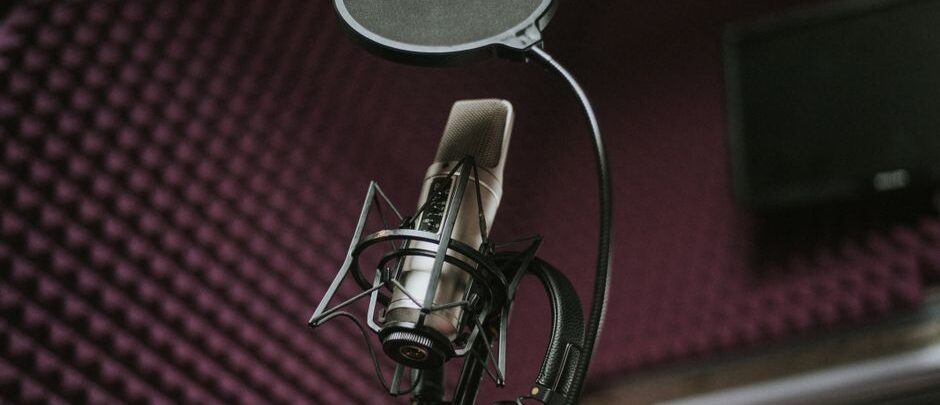
Tech Meets Tradition: Studio Setups That Matter
Let’s get practical: Suppose you’re running a campaign for a fintech app targeting urban millennials across several US cities and South Africa’s Gauteng province. You need consistency—but also flexibility—in your audio assets.
Here’s what happens inside real-world studios:
- Remote sessions via Source-Connect or ipDTL are now standard; during COVID lockdowns (2020–2021), nearly every session went remote, leading to a surge in home studio upgrades among African American voice actors.
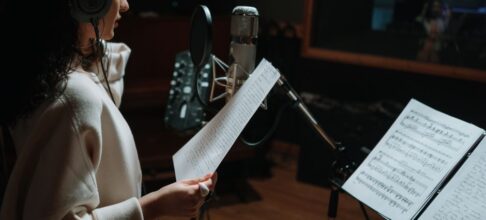
- Sessions typically run 30–90 minutes per script batch; engineers monitor levels while clients sit in via Zoom or Teams.
- Post-production cleanup is critical—audio pros at Berlin-based Red Dot Audio say they spend up to 20% more time finessing recordings when dialect or code-switching elements are present because matching pacing between versions can be tricky.
- File delivery usually includes labeled takes: one “natural,” another “more mainstream,” plus an optional pass using culturally specific idioms if requested by brand strategists.
- Casting took place simultaneously in Paris and Berlin using local contacts from Afro-German media networks.
- Remote direction allowed Ford HQ creatives to give real-time feedback alongside linguistics consultants who flagged phrases potentially misaligned with community norms.
- Multiple retakes were required—not due to technical flaws but because initial reads lacked micro-nuances recognized only by those deeply embedded within these communities (think: slight vowel shifts signaling West African heritage).
- Ultimately, audio testing showed a notable uptick—about 18% increase—in engagement metrics among targeted demographics versus previous pan-European campaigns that used generic voices.
- Platforms like Fiverr do feature diverse talent pools now (though quality varies widely).
- Regional collectives—such as The Black Narrators Network out of Atlanta—offer bundled pricing models attractive for multi-channel content packages (e.g., explainer videos + radio + social snippets).
- AI-assisted options have appeared; however, uptake remains low among agencies concerned about uncanny valley effects when synthetic voices attempt nuanced delivery unique to lived experience backgrounds.
Case Study: From Brief to Broadcast with an Auto Brand
Take Ford Europe’s recent campaign aimed at second-generation African diaspora communities in France and Germany (launched Q4 2023). Rather than outsourcing narration through continental studios only familiar with standard French or German accents, Ford insisted on finding bilingual Black European talents who could deliver both street-level authenticity and polished commercial polish.
The workflow was intensive:
Navigating Budget Versus Value Arguments
Some brands still balk at premium fees attached to top-tier African American narrators—rates often exceed $400 per finished minute for national broadcast spots versus $150–200 for non-targeted roles according to data shared by Toronto's Fusion Audio Collective. But consider this: In projects tracked by Resonate Media during 2023–24, conversion rates jumped almost 25% when ad copy was delivered by relevantly cast narrators over their generic counterparts—not counting softer gains like positive social media sentiment spikes following launch days.
For smaller businesses lacking Fortune 500 budgets? Options exist:
Historical Shifts—and Persistent Pitfalls
6 Lessons Learned Since the Early Radio Days
The use of distinctively African American voices dates back decades—in the early days of radio advertising post-WWII there were segregated market approaches (“Negro-targeted radio” of the ’50s). Yet much has changed since then: Instead of caricatures or stereotypes, today’s industry norm leans toward authenticity—even as debates continue over what constitutes respectful representation versus performative inclusion (a hot topic after several tech-driven missteps circa 2019–20 involving major insurance ads).
26 Still Room For Growth?
international expansion brings new challenges altogether; Australian studios adapting U.S.-centric scripts learned this fast during Nike’s Oceania push last year—the Sydney-based agency Sonic Bridge wound up recasting half its local spots after focus groups flagged imported reads as out-of-touch despite best intentions.