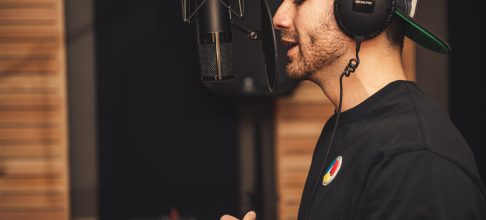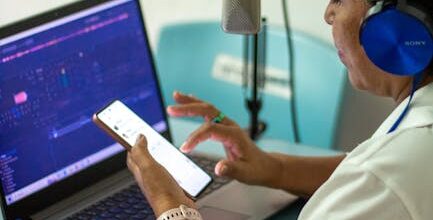
The first time I sat in on an Australian voice over session, it was in a windowless suite at Melbourne’s Soundfirm studio, . Two things struck me: the battered script binder with coffee stains, and the engineer gently reminding the talent to “pull back on those American R’s.” For beginners in Australia, voice over is less about magical microphones and more about learning to navigate a surprisingly particular world — where accent can be both weapon and obstacle.
The Myth of ‘Neutral’ Aussie Sound
Everyone wants “Australian”, but nobody agrees what that means. Netflix’s regional teams, for example, spent years debating whether their Australian originals should lean toward broad city accents or stay close to so-called General Australian — that softer zone between Crocodile Dundee and Cate Blanchett. In practice, local ad agencies like Clemenger BBDO will often ask for "a friendly Sydney urban sound" but pull back if it's too "ocker." The result? Beginners are coached to flex between subtle shifts, a skill rarely mentioned in online guides.
A Day at Bang Bang Studios
Let’s break down how a real-world gig unfolds. At Bang Bang Studios in Sydney (not far from Fox Studios), a typical workflow might involve:
- An account manager emailing you a brief at 8am: "Read needs calm authority, think ABC Radio."
- You arrive by noon; engineer sets you up with Sennheiser MKH mic — industry standard since the ‘80s.
- Three takes per line: one flat, one energetic, one your own spin.
- Client calls in via Zoom from Brisbane; feedback is immediate (“Can you make ‘insurance’ sound less… formal?”)
- Final files uploaded to Dropbox before rush hour.
These sessions rarely last more than two hours for commercial reads but can stretch when dealing with eLearning modules or government explainers (one of Australia's biggest repeat clients since digital education boomed post-).
Game Studios and the International Accent Dilemma
It gets trickier with games. Melbourne-based SMG Studio reported during its expansion into global markets that U.S.-based publishers often request both native Aussie voices AND a "neutral international version." As a result, voice actors record double tracks: once as themselves, once toning down any hint of Strine. A common pattern among studios aiming at Steam or mobile releases is to budget an extra –% studio time just for these alternate versions.
AI Tools Are Here—But Not Quite Trusted Yet
Respeecher and Descript have made waves globally with AI voice cloning tools since around . But in practice? Mid-sized agencies like We Love Jam Studios (Melbourne) say less than % of their commercial projects use synthetic voices—clients still want human nuance, especially when brands are hyper-sensitive about authenticity. Where AI does sneak in is scratch tracks: quick drafts generated before final recording sessions. Most pros agree it saves prep time but hasn’t replaced anyone yet.
Rates and Realities for Starters
Here’s something not found on glossy how-to blogs: most entry-level jobs come through platforms like Voice123 or local agency rosters such as RMK Voices. Expect $–$ AUD per : TV spot if you’re non-union; higher rates only come as your credits pile up. Narration gigs (think university explainer videos) may pay by word count or finished minutes—about $–$ per minute recorded is common as of early .
Getting Booked Isn’t Just About Your Demo Reel
A surprising number of working Australian voice artists were first booked because they could take direction fast during live client calls—not just because they sounded great alone at home. One Perth-based artist shared how her breakout job involved re-recording lines six times after the client changed product names mid-session. Flexibility trumps vocal range more often than newcomers realize.
From Outback Ads to Streaming Originals: Shifting Demand Since
If there’s been one big shift this decade, it’s volume over prestige gigs. In real campaigns observed by Sydney-based audio houses like Squeak E Clean Studios, there has been roughly a doubling of shorter-form digital ads compared to traditional radio/TV spots since around —driven by Facebook video ads and Spotify placements targeting regional audiences with distinct lingo (“arvo,” “servo,” “mates rates”).
Not Everything Sounds Like Qantas Commercials
There’s an enduring myth that all high-profile work sounds posh and polished—a kind of Qantas-ad smoothness popularized in late-2000s campaigns starring recognizable film actors. But actual booking sheets show otherwise: supermarket chains (Coles Group), auto insurers (like Youi), even state tourism boards are often looking for distinctly casual delivery—the kind heard daily on Triple J rather than SBS World News.
Training Grounds Aren’t What They Used To Be
Back in the early 2000s, many aspiring voice talents cut their teeth reading traffic updates or community service announcements on community radio stations across Victoria or Queensland—a pipeline that has faded as podcasting exploded post-. Now? Short-form podcast sponsorships and TikTok brand collaborations provide new training ground for pacing and performance under pressure (though with notoriously inconsistent pay).
Final Takeaway: It’s Messier Than You Think — And That’s Good News
Australian voice over isn’t monolithic; it adapts daily based on shifting trends in media consumption and client tastes that change faster than most demo reels can keep up with. If you’re starting out hoping for clear rules or quick fame… best adjust expectations now. But if you thrive where improvisation meets craft—and don’t mind occasionally being told to “sound less Melbourne”—you’ll fit right into the booth.