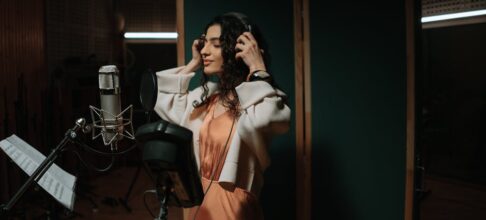
Step into any midtown Manhattan audio studio on a Thursday afternoon and you’ll hear it: that polished, neutral accent—sometimes called "General American," sometimes just "the voice"—gliding through scripts for insurance commercials or video games. But if you look past the glass separating talent from engineers, you’ll find an industry far messier and more contradictory than its smooth output suggests.
The All-American Illusion
For decades, "American Voice Over" has been marketed as a kind of universal passport for global brands. Since at least the late 1990s boom in cable TV syndication, everyone from Tokyo game studios to German car manufacturers has insisted on that elusive, regionless US sound. It’s considered safe, appealing, and—supposedly—instantly understood everywhere.
But there’s a catch. If you visit localization houses like SDI Media (now part of Iyuno) in Los Angeles or Berlin, you'll notice the so-called "neutral" American read is anything but neutral. In real campaigns for streaming giants like Hulu or Amazon Prime Video, directors nitpick every intonation: Is this too New York? Too Midwestern? Does anyone actually talk like this?
Clients’ obsession with erasing regional identity often results in dozens of rounds of pickups and retakes—a process that can stretch a two-hour session into five. At Dubbing Brothers Paris (which regularly localizes US films for European markets), producers report that even seasoned American narrators are sometimes rejected by French or German clients for sounding “too specific.”
Numbers Don’t Tell The Whole Story
Industry data points to growth: according to a GIG International survey, demand for English-language voice over rose by about % across Europe between and . Yet when breaking down those numbers with project managers at Warsaw’s Sound Tropez—a studio known for high-end video game dubbing—the picture changes. For every blockbuster RPG needing thirty American-accented characters, there are smaller indie titles where clients opt for British or even Canadian voices to sidestep pricing premiums and union restrictions.
There’s also an unspoken sliding scale in rates depending on how “American” a voice sounds to foreign ears versus US casting agents—a nuance lost entirely in most hiring platforms.
A Polish Studio’s Reality Check
Consider an actual workflow at one Eastern European production house: a Polish agency lands a contract with a major US-based e-learning company looking to localize its content globally. The brief specifies “standard American accent only.” But after reviewing demo reels from LA agencies like Atlas Talent and NYC freelancers listed on Voices.com, the client circles back with notes: “This one is too Californian,” “That one is oddly formal,” “Can we get something less ‘commercial?’”
In practice, these endless micro-adjustments mean that most projects end up cast from a surprisingly small roster of repeatable talent—those who’ve mastered what casting directors call the “vanilla zone.” Actual diversity of voice gets traded out for predictability.
The AI Wildcard—and Its Discontents
Since , AI-driven tools like Respeecher have promised Hollywood-level synthetic voices at budget prices. In theory this could democratize access; in reality it has led to some strange new headaches. Several gaming studios in Austin now use AI-generated placeholder dialogue during development sprints. According to tech leads at Rooster Teeth Productions (best known for their machinima series), teams will often swap these placeholders with real actors only after testing market reactions among US focus groups.
But here’s what doesn’t make it into trade press releases: many international clients have trouble distinguishing between AI-voiced prototypes and final human reads unless they’re specifically told which is which. Localization teams working out of Barcelona say they routinely spend extra hours re-recording lines simply because overseas stakeholders complain that "something feels off"—even when both versions are technically near-identical.
Chasing Authenticity While Fearing It
There’s irony here. As ad agencies in Sydney or Berlin clamor for authenticity—they want local resonance! Cultural nuance!—their creative briefs still overwhelmingly default to generic US English as soon as budgets go north of $50K per spot. In fact, several creative directors I spoke with off-record admit they keep one familiar male and one female American VO artist on annual retainer solely because international clients panic if campaigns don’t sound reassuringly “globalized.”
And yet…rarely do these same brands allow those artists much personality leeway beyond smiling narration or upbeat explainer tones.
When Real Voices Break Through—Or Don’t
Occasionally someone breaks out of the box: recall how Nike’s "Unlimited Future" campaign let Bobby Cannavale riff loose from script constraints, drawing raves not just stateside but also among focus groups in Seoul and Munich. But such exceptions remain rare enough that nearly all major localization workflows continue chasing that platonic ideal—the non-accent accent—that only exists inside corporate conference calls.
Final Word From Behind The Glass Door?
The hidden truth about American Voice Over isn’t about technology or talent scarcity—it’s about contradiction baked into every brief: be unique but universal; be authentic but unobtrusive; deliver something no one notices until it goes wrong.
If you ask engineers at London’s Soho Square Studios (who record hundreds of US-voiced campaigns each year), they'll tell you the real magic happens not when everything sounds perfect—but when someone finally risks letting some edge bleed through.